

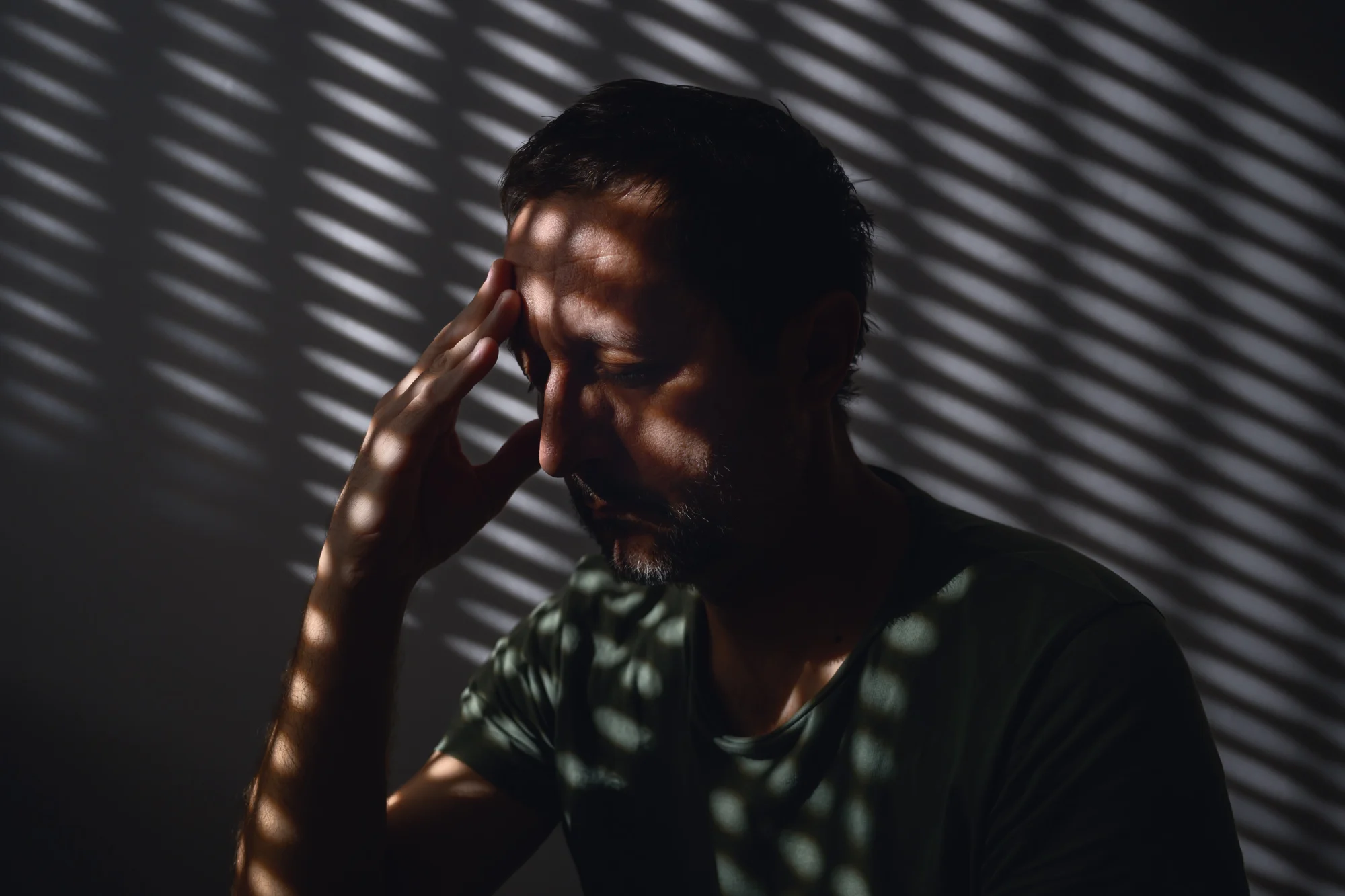
Light sensitivity after a head injury—often called photophobia—is a common symptom experienced by individuals recovering from a traumatic brain injury (TBI). Even mild concussions can make everyday lighting feel overwhelming, leading to discomfort, headaches, and difficulty focusing.
Understanding why light sensitivity happens and how to manage it can help individuals take control of their recovery and improve daily quality of life.
What Is Light Sensitivity After a Head Injury?
Light sensitivity refers to an increased intolerance to light, where normal levels of brightness may feel too intense or even painful. This symptom can occur immediately after a head injury or develop over time during recovery.
People with light sensitivity may notice discomfort from:
- Sunlight
- Indoor lighting
- Screens (phones, computers, TVs)
- Fluorescent or flickering lights
This sensitivity can interfere with work, school, and daily activities.
Why Light Sensitivity Happens After a Head Injury
After a traumatic brain injury, the brain’s ability to process visual information can become disrupted. Several factors may contribute to light sensitivity.
1. Changes in Brain Processing
A head injury can affect how the brain interprets light signals from the eyes. This disruption can make normal light appear brighter or more intense than it actually is.
2. Eye-Brain Communication Issues
The connection between the eyes and the brain may become less efficient after an injury. When the eyes struggle to adjust to light or focus properly, discomfort and sensitivity can increase.
3. Increased Brain Irritability
After a TBI, the brain may become more sensitive to stimulation, including light and noise. This heightened sensitivity can trigger headaches and visual discomfort.
4. Associated Symptoms
Light sensitivity often occurs alongside other post-injury symptoms such as:
- Headaches or migraines
- Dizziness
- Blurred vision
- Difficulty concentrating
These overlapping symptoms can make recovery more challenging.
How Long Does Light Sensitivity Last?
The duration of light sensitivity varies depending on the severity of the injury. For some individuals, it improves within a few days or weeks. For others, especially those with more significant TBIs, it may persist for months.
Consistent management and proper care can help reduce symptoms over time.
Practical Ways to Manage Light Sensitivity
Managing light sensitivity involves reducing triggers while gradually helping the brain adjust to light again.
Adjust Your Environment
- Use dim lighting at home or work
- Close curtains or wear sunglasses outdoors
- Avoid harsh fluorescent lights when possible
Limit Screen Exposure
- Reduce time spent on phones, computers, and TVs
- Use blue light filters or screen protectors
- Take frequent breaks to rest your eyes
Wear Protective Eyewear
Specialized tinted glasses may help reduce light sensitivity and improve comfort in bright environments.
Gradual Light Exposure
While avoiding bright light initially can help, gradual exposure is important for recovery. Slowly increasing light tolerance can help retrain the brain over time.
Manage Related Symptoms
Addressing headaches, sleep issues, and fatigue can also improve light sensitivity. Rest, hydration, and stress management play an important role in recovery.
When to Seek Medical Attention
If light sensitivity is severe, persistent, or worsening, it is important to consult a healthcare professional. Evaluation may be needed if symptoms:
- Interfere with daily activities
- Are accompanied by vision changes
- Do not improve over time
- Occur alongside worsening headaches or neurological symptoms
A specialist may recommend vision therapy, medication, or other treatments tailored to your condition.
Tips for Daily Life
Living with light sensitivity can be challenging, but small adjustments can make a big difference:
- Plan activities during times of lower light exposure
- Use hats or visors outdoors
- Communicate your needs at work or school
- Create a comfortable, low-stimulation environment
These steps can help reduce discomfort while supporting recovery.
Final Thoughts
Light sensitivity after a head injury is a common but manageable symptom. By understanding its causes and taking proactive steps to reduce triggers, individuals can improve comfort and support the healing process.
Recovery may take time, but with the right strategies and support, most people experience gradual improvement.
Disclaimer: This content is for educational purposes only and should not replace professional medical advice. Always consult a qualified healthcare provider for evaluation and treatment of symptoms related to traumatic brain injuries.
