

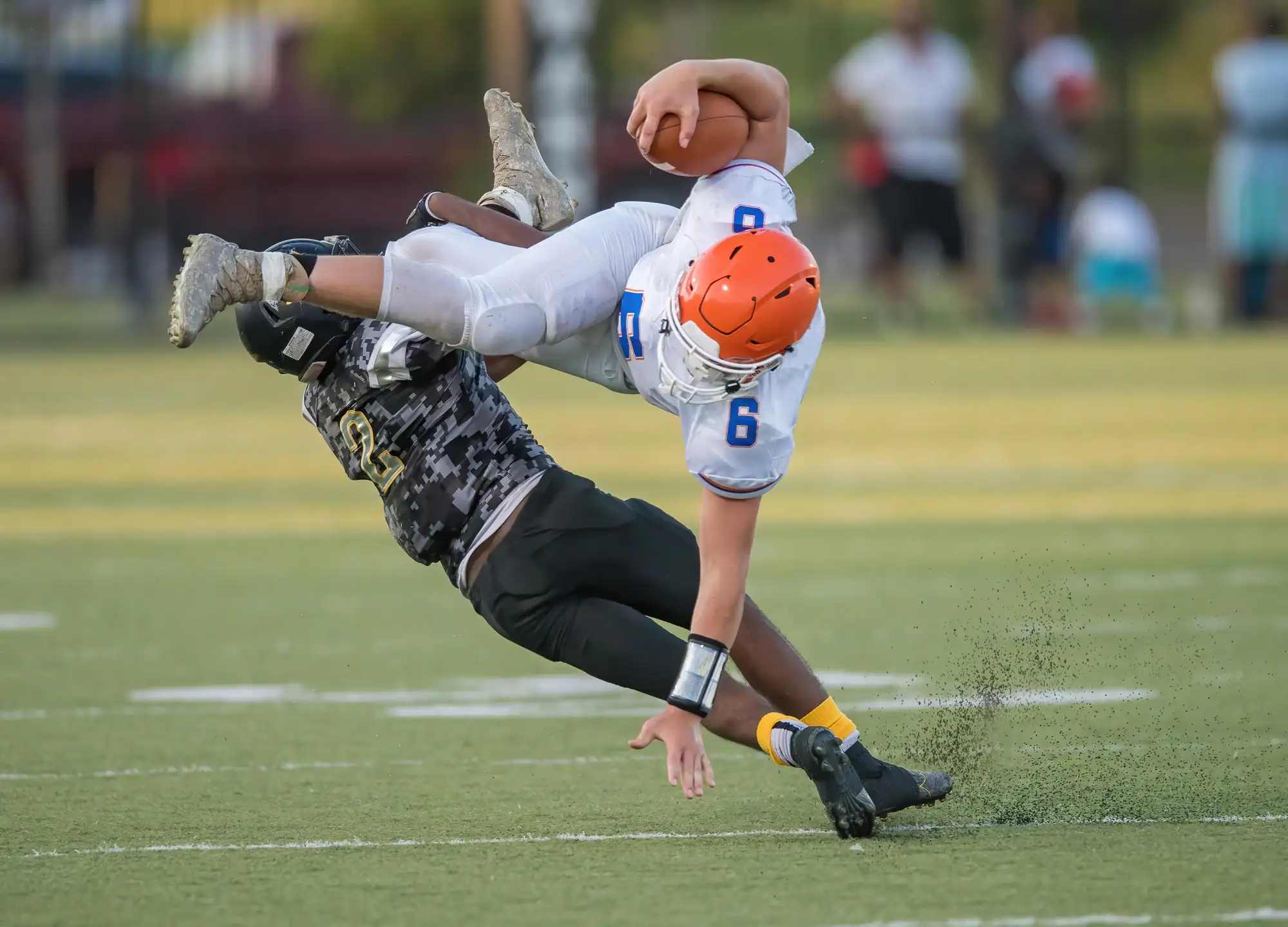
Sports offer children and teens important physical, social, and emotional benefits—but they also come with risks. One of the most serious concerns in youth athletics is sports-related traumatic brain injury (TBI). Understanding how these injuries occur and what steps parents can take to reduce risk can help keep young athletes safer on and off the field.
Understanding Sports-Related TBIs
A sports-related TBI occurs when a blow or jolt to the head—or a hit to the body that causes the head to move rapidly—disrupts normal brain function. Concussions are the most common type, but repeated or severe impacts can lead to long-term cognitive, emotional, and physical complications.
Sports With Higher TBI Risk
While TBIs can occur in any sport, some activities carry a higher risk due to contact or speed, including:
- Football
- Soccer
- Hockey
- Basketball
- Cheerleading
- Cycling and skateboarding
Awareness of risk allows parents to take proactive safety measures.
The Importance of Proper Equipment
Wearing the right protective gear is critical. Helmets should be properly fitted, well-maintained, and designed for the specific sport being played. Mouthguards and other protective equipment can also reduce the risk of head and facial injuries.
Parents should regularly inspect equipment for damage and ensure it meets safety standards.
Teaching Safe Play and Technique
Coaches and parents play a key role in reinforcing safe techniques. Children should be taught:
- Proper tackling or checking techniques
- How to fall safely
- To avoid leading with the head during contact
Encouraging fair play and discouraging aggressive behavior can significantly lower injury risk.
Recognizing and Reporting Concussion Symptoms
Early recognition of a possible concussion is essential. Parents should watch for symptoms such as:
- Headaches or pressure in the head
- Dizziness or balance issues
- Sensitivity to light or noise
- Confusion or memory problems
- Changes in mood or behavior
If a head injury is suspected, the child should be removed from play immediately and evaluated by a medical professional.
Recovery and Return-to-Play Guidelines
Returning to sports too soon after a head injury increases the risk of prolonged symptoms or further injury. Parents should follow medical guidance and ensure their child completes a full recovery before resuming physical activity.
Creating a Culture of Safety
Preventing sports-related TBIs requires teamwork. Parents, coaches, schools, and leagues must prioritize safety over competition. Open communication, proper training, and adherence to safety protocols can help protect young athletes’ long-term brain health.
