

Recovering from a traumatic brain injury (TBI) can affect nearly every aspect of daily life. Activities that once felt simple, such as getting dressed, preparing meals, managing appointments, or returning to work, may become challenging after a brain injury.
These changes can affect physical abilities, memory, concentration, emotional well-being, and overall independence. Fortunately, rehabilitation programs can help individuals develop practical skills and adapt to new challenges.
TBI rehabilitation for daily activities focuses on helping individuals regain functional abilities, build confidence, and improve their quality of life through personalized therapy and supportive strategies.
Understanding the rehabilitation process can help individuals with TBI and their caregivers establish realistic recovery goals.
How Traumatic Brain Injuries Affect Daily Activities
A traumatic brain injury occurs when an external force disrupts normal brain function. Depending on the severity and location of the injury, individuals may experience physical, cognitive, behavioral, or emotional changes.
Common challenges affecting everyday independence include:
- Physical limitations: Muscle weakness, poor coordination, balance difficulties, or fatigue.
- Memory problems: Difficulty remembering appointments, instructions, or daily responsibilities.
- Attention difficulties: Trouble concentrating or completing tasks without distractions.
- Executive function challenges: Difficulty planning, organizing, and making decisions.
- Emotional changes: Increased frustration, anxiety, irritability, or difficulty managing emotions.
- Sensory difficulties: Sensitivity to light, sound, or busy environments.
These challenges vary among individuals and may change throughout recovery.
Learn more about the causes and effects of brain injuries through TBI’s General Information resources.
How TBI Rehabilitation for Daily Activities Supports Independence
Rehabilitation programs help individuals develop, restore, or adapt the skills necessary for everyday functioning.
Depending on individual needs, rehabilitation may involve occupational therapy, physical therapy, speech-language therapy, cognitive rehabilitation, and psychological support.
1. Relearning Personal Care Activities
Personal care is an important part of independent living.
Following a TBI, individuals may need assistance with activities such as:
- Dressing and grooming
- Bathing and personal hygiene
- Eating and preparing simple meals
- Organizing personal belongings
- Following daily self-care routines
Occupational therapists may introduce adaptive equipment, simplified routines, or step-by-step techniques to make these tasks easier and safer.
The goal is to help individuals complete daily responsibilities with an appropriate level of independence.
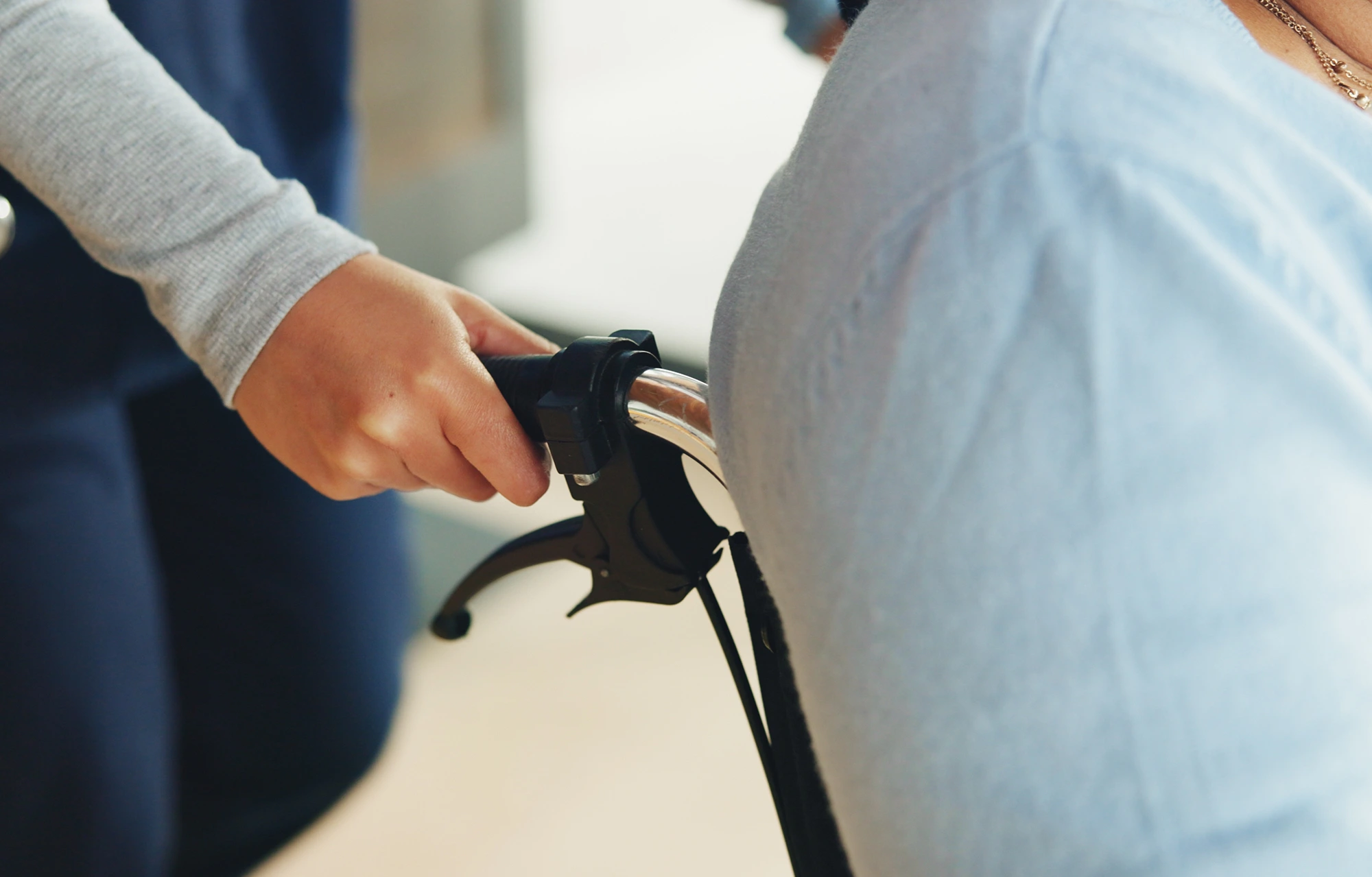
2. Improving Mobility and Physical Coordination
Balance difficulties, muscle weakness, and reduced coordination can interfere with everyday movement.
Physical and occupational therapy may include:
- Practicing safe walking and transfers
- Improving balance and posture
- Strengthening muscles used during daily activities
- Developing coordination and movement control
- Learning techniques to reduce fall risks
These activities can help individuals navigate their homes and communities more safely.
Explore additional strategies for preventing injuries through TBI’s Safety & Prevention section.
3. Strengthening Memory and Cognitive Skills
Cognitive difficulties can make everyday responsibilities more complicated.
TBI rehabilitation for daily activities often includes strategies to support memory, attention, organization, and problem-solving.
Helpful techniques may include:
- Using calendars and reminder applications
- Creating daily schedules and checklists
- Breaking complicated tasks into smaller steps
- Practicing memory and attention exercises
- Organizing frequently used items in designated locations
These strategies can help individuals manage responsibilities while reducing confusion and frustration.
4. Developing Household Management Skills
Household activities require a combination of physical coordination, planning, and decision-making.
Rehabilitation professionals may help individuals practice tasks such as preparing meals, organizing groceries, managing laundry, and maintaining a safe living environment.
For example, someone experiencing memory difficulties may benefit from written cooking instructions, while an individual with reduced balance may need modifications to their kitchen setup.
Practicing these activities in realistic environments can help individuals apply rehabilitation skills to everyday situations.
5. Supporting Communication and Social Participation
Traumatic brain injuries may affect speech, language, social interaction, and the ability to process conversations.
Speech-language therapy and cognitive rehabilitation can help individuals develop communication strategies.
Activities may focus on:
- Organizing thoughts before speaking
- Improving conversation skills
- Understanding and following instructions
- Practicing communication in social situations
- Using alternative communication tools when necessary
Improved communication can support relationships, community participation, and greater independence.
For additional recovery guidance, visit TBI’s Care & Support resources.
Creating a Safe and Supportive Home Environment
A supportive home environment can make daily activities more manageable during TBI recovery.
Simple adjustments may include:
- Removing clutter and potential tripping hazards
- Installing grab bars where appropriate
- Improving lighting in frequently used areas
- Keeping essential items within easy reach
- Creating quiet spaces for rest and concentration
- Using labels and visual reminders for organization
Home modifications should reflect the individual’s physical abilities, cognitive needs, and recommendations from rehabilitation professionals.
Managing Fatigue During Everyday Activities
Fatigue is a common challenge following traumatic brain injury and can affect both physical and cognitive performance.
Individuals may benefit from pacing activities, taking scheduled breaks, and prioritizing important responsibilities.
Planning demanding activities during periods of greater energy may also help reduce exhaustion.
Rehabilitation professionals can recommend personalized strategies for balancing activity and rest.
Learn more about symptoms and recovery approaches through TBI’s Health Information section.
How Family Members and Caregivers Can Help
Family members and caregivers play an important role in supporting independence after a brain injury.
Helpful approaches include encouraging individuals to participate in manageable activities, providing clear instructions, and allowing additional time to complete tasks.
Caregivers should offer assistance when necessary while avoiding taking over activities the individual can safely perform.
Consistent encouragement, patience, and communication with rehabilitation professionals can support meaningful progress.
Explore TBI’s Awareness resources to better understand the challenges individuals may experience after brain injuries.
How Long Does It Take to Regain Independence After a TBI?
Recovery timelines vary depending on injury severity, overall health, rehabilitation needs, and individual circumstances.
Some individuals regain functional abilities within weeks or months, while others require ongoing therapy and long-term support.
Progress may be gradual, and certain limitations may persist despite rehabilitation.
Setting achievable goals and regularly reviewing progress with healthcare professionals can help individuals work toward greater independence.
Moving Forward Toward Greater Independence
TBI rehabilitation for daily activities can help individuals rebuild essential skills, adapt to challenges, and participate more confidently in everyday life.
Although every recovery journey is different, personalized rehabilitation and consistent support can contribute to improved functional abilities and quality of life.
At TBI, we provide educational resources to help individuals and families understand traumatic brain injuries, rehabilitation options, and long-term recovery.
You can also explore our Legal Information resources to learn about rights and available information following a brain injury.
Looking for more information about recovering independence after a TBI? Contact TBI to explore educational resources and helpful information for individuals and families navigating brain injury recovery.