

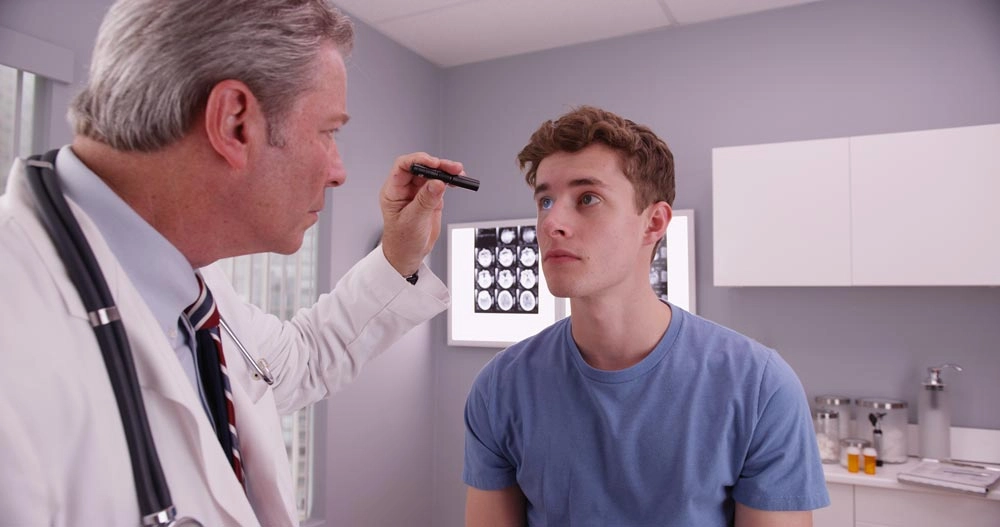
Diagnosing a traumatic brain injury (TBI) requires a thorough evaluation to determine the severity of the injury and guide treatment. TBIs can range from mild concussions to serious injuries affecting cognition, coordination, and emotional well-being. Understanding the diagnostic process helps patients and caregivers feel informed and prepared for the next steps.
Initial Clinical Assessment
The first stage of diagnosing a TBI is a detailed medical examination. Healthcare providers typically:
- Review the patient’s medical history and the circumstances of the injury
- Conduct a neurological exam to check reflexes, balance, coordination, and mental function
- Ask about symptoms such as headaches, dizziness, memory lapses, or confusion
This initial assessment helps determine whether additional imaging or specialized testing is necessary.
Imaging Techniques for TBI
Medical imaging is essential for identifying structural brain injuries. Common scans include:
1. CT (Computed Tomography) Scan
- Offers detailed cross-sectional images of the brain
- Quickly detects bleeding, swelling, fractures, and contusions
- Commonly used in emergency situations
2. MRI (Magnetic Resonance Imaging)
- Uses magnetic fields to create highly detailed brain images
- Detects subtle tissue damage, small bleeds, or structural abnormalities
- Often recommended for ongoing or persistent symptoms
3. X-rays
- Primarily used to identify skull fractures that may accompany brain injuries
Cognitive and Neuropsychological Evaluations
Some brain injuries affect thinking, memory, and behavior without visible structural changes. Doctors may use:
- Cognitive tests: Assess memory, attention, and problem-solving abilities
- Behavioral evaluations: Identify mood changes, emotional regulation issues, or impulse control difficulties
- Balance and coordination assessments: Examine motor skills and physical stability
These evaluations provide insight into functional impairments that imaging may not reveal.
Blood Tests and Emerging Biomarkers
New research shows that blood tests can help detect brain injuries by measuring proteins released from damaged cells. These tests may:
- Indicate the severity of a brain injury
- Complement scans and cognitive assessments
- Offer faster, more precise detection methods in the future
While still evolving, biomarker testing is a promising tool in TBI diagnosis.
Ongoing Monitoring and Follow-Up
For moderate or severe TBIs, healthcare providers often recommend continuous monitoring through:
- Follow-up imaging to track healing progress
- Repeated neurological exams
- Rehabilitation assessments to measure improvements
Regular follow-ups allow treatment plans to be adjusted according to recovery needs.
Key Takeaways
- Diagnosing TBI involves a combination of clinical exams, imaging, cognitive testing, and sometimes blood biomarkers
- Each diagnostic tool provides unique insights, enabling personalized treatment plans
- Early and accurate identification is essential for improving long-term recovery outcomes
Being informed about the diagnostic process empowers patients and caregivers to actively participate in care and make knowledgeable decisions about recovery.
