

Safety and Prevention of Traumatic Brain Injuries (TBIs)
Categories
Preventing Traumatic Brain Injuries: Practical Tips and Strategies
Traumatic brain injuries (TBIs) can happen in many situations, from athletic activities to everyday life at home or work. This section provides actionable guidance for reducing the risk of brain injuries. By understanding common hazards, adopting safety practices, and promoting safer environments, individuals, families, and communities can protect themselves and others from TBIs.
Identifying Common Risk Factors
Knowing where and how TBIs occur is key to prevention. Major risk factors include:
-
Sports and recreational activities
Contact sports, extreme sports, or activities without protective equipment -
Falls
Accidents at home, public areas, or among older adults with balance or mobility issues -
Vehicle accidents
Car, motorcycle, bicycle, or pedestrian incidents -
Workplace hazards
Jobs with high physical demands or exposure to dangerous equipment -
Accidents and assaults
Unexpected physical trauma from accidents or altercations
Recognizing these risks allows individuals to implement preventive measures and take proactive steps to safeguard themselves.

Effective Safety Practices for Daily Life
Practical preventive measures can help lower the risk of TBIs in different settings:
- Sports Safety: Always wear helmets, mouthguards, and padding. Coaches and trainers should enforce safety rules and educate participants about concussion risks.
- Cycling & Motorcycling: Use approved helmets, reflective clothing, and follow traffic laws. Ensure proper maintenance of bikes and motorcycles.
- Fall Prevention for Older Adults: Install handrails and non-slip mats, improve lighting, remove tripping hazards, and encourage balance exercises.
- School and Workplace Precautions: Implement protective policies, supply appropriate gear, and regularly inspect areas that may pose risks.
- Home Safety: Keep floors clear of clutter, secure rugs, and supervise high-risk activities for children.
These strategies encourage safe habits and help reduce brain injury risks across all ages.
Policy, Advocacy, and Community Involvement
While individual precautions are important, policy and community efforts play a vital role in TBI prevention:
-
Support Safety Regulations
Advocate for standards related to protective equipment, sports safety, and workplace protocols. -
Community Programs
Encourage initiatives that teach TBI prevention through schools, sports programs, and public events. -
Public Infrastructure Safety
Promote safer pedestrian paths, well-maintained roads, and accessible public spaces.
By engaging in policy advocacy and community education, safer environments can be created for everyone.
Education and Preventive Awareness
Spreading knowledge about TBIs is essential to reducing injury rates:
-
Awareness Campaigns
Use social media, workshops, and local programs to educate the public. -
Training Programs
Provide training for teachers, coaches, and staff on recognizing concussions, administering first aid, and following proper injury protocols. -
Youth Education
Educate children on staying safe during sports, playground activities, and everyday routines.
Promoting awareness helps encourage the adoption of preventive measures. Explore our Awareness page for more information.
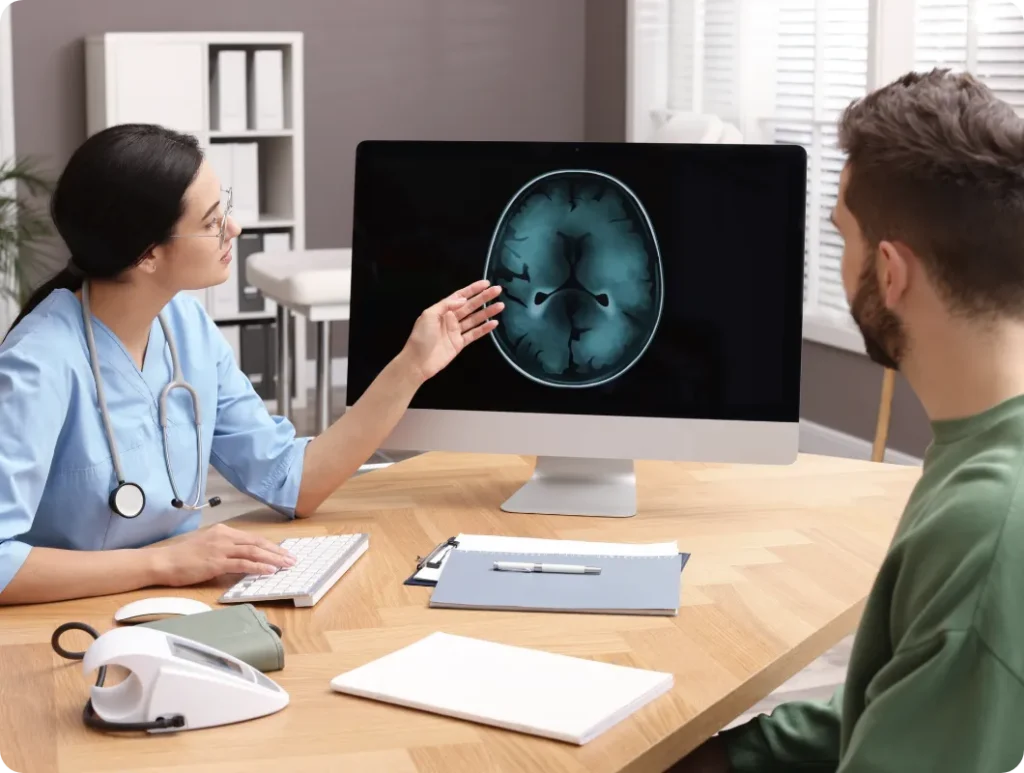

Immediate Steps After a Suspected TBI
Even with precautions, injuries can happen. Knowing how to respond can improve outcomes:
-
Recognize Warning Signs
Watch for headaches, dizziness, confusion, nausea, or behavioral changes. -
Seek Medical Attention Promptly
Professional evaluation is crucial for proper diagnosis and treatment. -
Document the Incident
Keep a record of the circumstances and symptoms, which can assist with care planning and insurance purposes.
Timely action can minimize complications and support a smoother recovery process.
Promoting Safety to Prevent Brain Injuries
Understanding the risks and taking proactive steps to prevent brain injuries empowers individuals, families, and communities. By learning about common hazards, adopting preventive measures, and fostering safe environments at home, at work, and during recreational activities, you can reduce the likelihood of injury and protect long-term health. Explore our Safety and Prevention resources to stay informed and take meaningful action today.
Frequently Asked Questions
How can I prevent traumatic brain injuries?
Preventive steps include wearing helmets, using seat belts, implementing fall-prevention measures, following workplace safety protocols, and supervising children during sports or play.
Who is at higher risk of sustaining a TBI?
Children, older adults, athletes, and individuals working in high-risk occupations are more susceptible to TBIs.
What are common causes of TBIs?
TBIs often occur due to falls, sports-related injuries, car accidents, workplace incidents, and assaults.
What safety measures can be taken at home?
Remove tripping hazards, install handrails and non-slip mats, supervise children, and ensure proper lighting to prevent falls.
Why is early detection important in TBI prevention?
Early recognition of symptoms allows timely medical care, which can reduce long-term complications and improve recovery outcomes.
Disclaimer
This content is intended for educational purposes only. For personalized medical or legal advice, consult licensed professionals.
For additional guidance on preventing traumatic brain injuries, including practical safety tips and evidence-based strategies, you can consult reputable resources such as the Centers for Disease Control and Prevention (CDC) for prevention guidelines, or the Brain Injury Association of America (BIAA) for community programs and educational materials.