

Health Information on Traumatic Brain Injury (TBI)
Understanding Traumatic Brain Injuries
- Falls
- Sports-related injuries
- Motor vehicle accidents
- Military combat
Learning about these causes and risk factors helps individuals and communities take preventive measures and respond appropriately in emergencies.
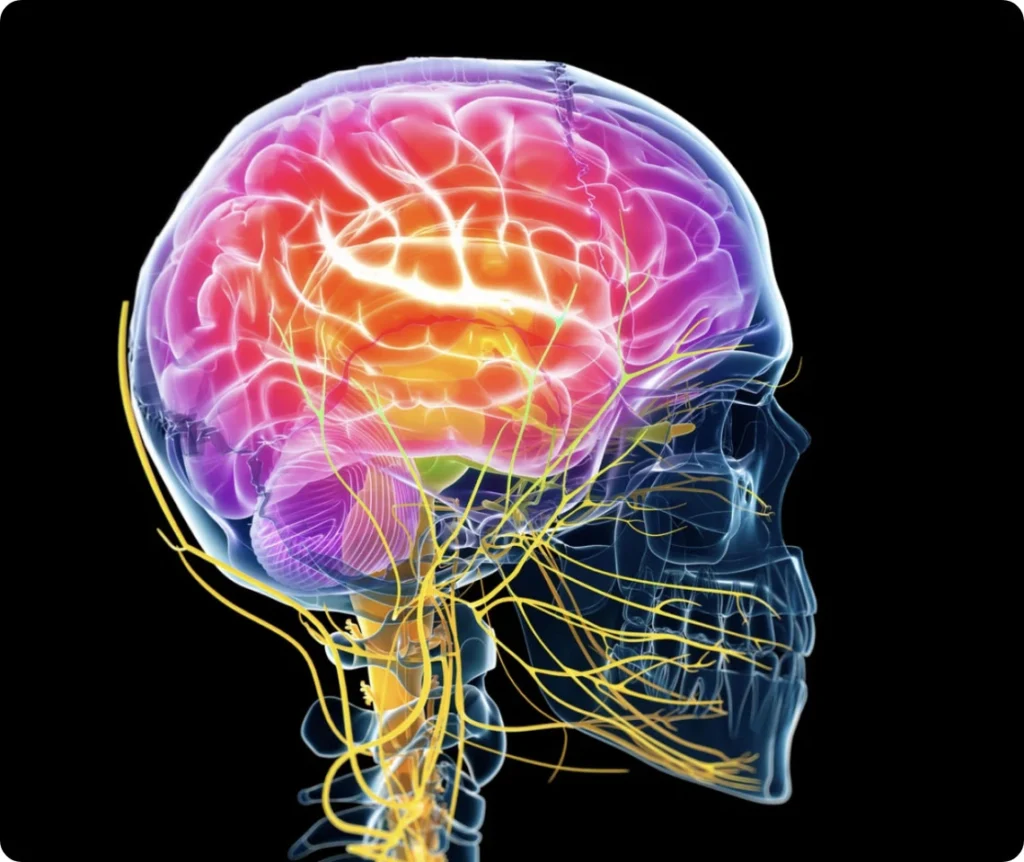
Types and Severity of Brain Injuries
- Cognitive functions such as memory and attention
- Physical abilities, balance, and coordination
- Emotional well-being, including mood and behaviorabilities, balance, and coordination
Treatment and Recovery
- Medical interventions and rehabilitation therapies
- Physical, occupational, and speech therapy
- Personalized recovery plans tailored to individual needs
Expert Insights
- Neurologists and therapists
- Rehabilitation specialists
- Researchers and medical practitioners

Resources and Coping Strategies
- Emotional support and mental health strategies
- Tips for adapting daily routines
- Building resilience for survivors and caregivers
These resources empower individuals and families to navigate the recovery journey confidently.

Additional Health Resources on TBIs
Frequently Asked Questions
Can mild TBIs have lasting effects?
Yes, even mild brain injuries or concussions can result in ongoing symptoms like headaches, memory difficulties, or mood changes. Early evaluation and intervention are important.
How long does recovery from a TBI take?
Recovery depends on severity. Mild injuries may resolve in a few weeks, whereas moderate or severe TBIs may require months or years of rehabilitation.
What support is available for caregivers?
How can TBIs be prevented?
Preventive measures include wearing protective gear during sports, using seat belts, implementing fall-prevention strategies at home, and practicing safe behaviors.
Where can I find more reliable information on TBIs?
Trusted organizations such as the BIAA and CDC provide comprehensive information, research updates, and guidance for survivors and caregivers.
Disclaimer
The content provided here is for educational purposes only and should not replace professional medical advice. If you or someone you know has experienced a TBI or suspects a brain injury, consult a qualified healthcare professional for personalized guidance.
For additional guidance on preventing traumatic brain injuries, including practical strategies and evidence-based recommendations, you can refer to respected organizations such as the Centers for Disease Control and Prevention (CDC) for prevention guidelines and research, or the Brain Injury Association of America (BIAA) for educational materials, support programs, and advocacy resources.
