

Care and Support for Individuals Affected by Traumatic Brain Injuries (TBIs)
Care & Support for People Impacted by Traumatic Brain Injuries
Understanding the Recovery Journey
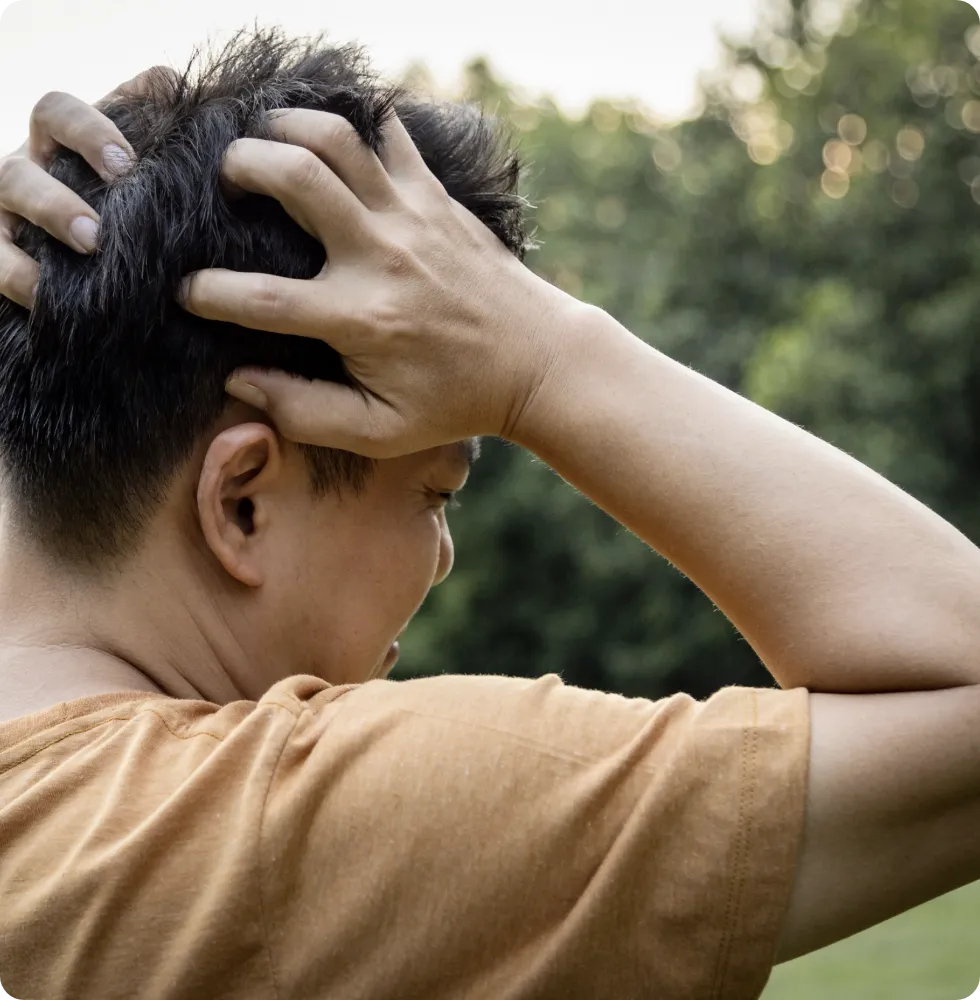
Medical & Rehabilitation Support
- Rehabilitation therapies such as physical, speech, and occupational therapy
- Medication management for pain, mood changes, or cognitive difficulties
- Neuropsychological assessments to evaluate cognitive skills
- Regular check-ins with healthcare providers
Mental and Emotional Well-Being
Helpful Mental Health Resources
- Counseling or therapy for emotional or behavioral changes
- Peer or online support groups to connect with others
- Relaxation and stress-reduction techniques, including deep breathing or journaling
Support for Caregivers
Resources That Benefit Caregivers
- Educational tools focused on symptom management and daily assistance
- Respite services that offer temporary relief
- Community and support programs designed for caregivers
- Organizational tools like planners, medication charts, or communication apps

Daily Living Tips After a Brain Injury
- Using consistent routinesfor meals, medications, sleep, and activities
- Creating quiet, low-distraction environments for tasks requiring focus
- Setting specific, realistic goals and breaking tasks into smaller steps
- Using memory supports, such as alarms, visual reminders, journals, or smartphone apps
- Encouraging open communication about fatigue, frustration, or difficulties
Long-Term & Community Resources
Examples of Long-Term Support
- Community-based rehabilitation services
- School or workplace support plans, including accommodations
- Transportation assistance programs
- Advocacy organizations that provide educational tools and updated research
- Online communities offering connection, encouragement, and shared strategies

Supporting Recovery Through TBI Care & Support
Frequently Asked Questions
What support is most effective after a brain injury?
A combination of medical treatment, rehabilitation therapies, emotional support, and structured routines typically produces the best results.
How can caregivers manage stress?
Are support groups worthwhile?
Yes. Support groups offer encouragement, shared experiences, and practical advice that can help survivors and caregivers feel less isolated.
Where can I find trustworthy information about recovery?
Rehabilitation centers, healthcare professionals, national brain injury organizations, and reputable online platforms provide reliable information.
How long do support needs usually last?
Support varies widely. Some individuals need short-term assistance, while others require long-term services depending on injury severity and ongoing symptoms.
Disclaimer
The information provided on this page is for educational purposes only and should not replace professional medical or legal guidance. Always consult qualified healthcare providers, therapists, or legal professionals for personalized advice related to your specific situation.
For more detailed information on traumatic brain injuries, including recovery strategies, emotional wellness, and practical support, you can also refer to respected organizations such as the Brain Injury Association of America (BIAA) or the Centers for Disease Control and Prevention (CDC) for research, guidelines, and helpful resources.