

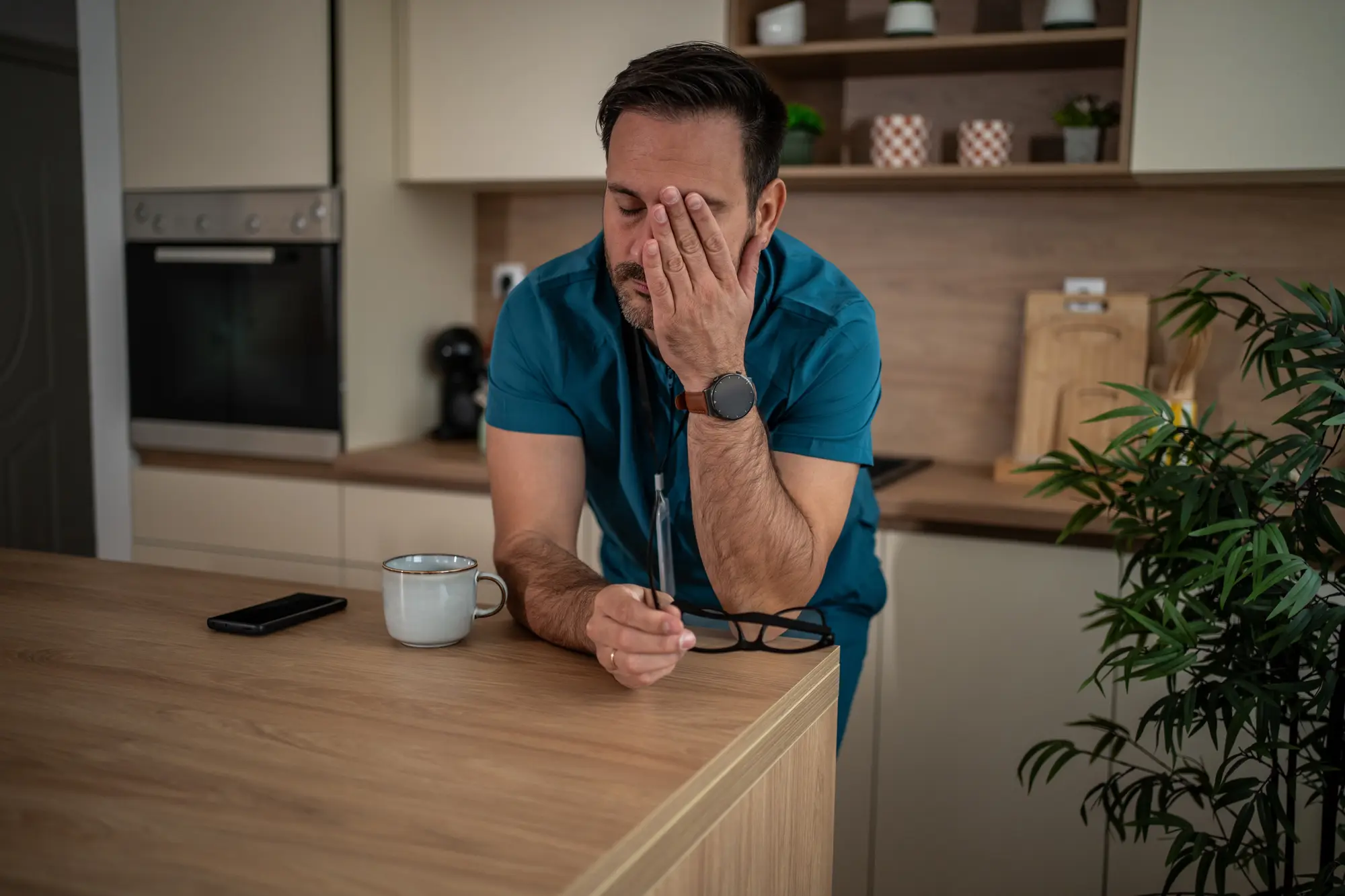
Balance problems after a concussion are a common and often frustrating symptom. Many individuals feel unsteady, dizzy, or off-balance even when performing simple daily activities. These issues can affect walking, coordination, and overall confidence, making recovery more challenging.
Understanding why balance problems occur after a concussion and what they mean for recovery can help individuals take the right steps toward regaining stability and function.
Why Balance Problems Happen After a Concussion
A concussion can disrupt the brain systems responsible for maintaining balance. These systems involve coordination between the brain, inner ear, eyes, and muscles. When any part of this system is affected, balance can be impaired.
Common causes include:
Inner Ear (Vestibular System) Disruption
The vestibular system helps control balance and spatial awareness. A concussion can affect how this system functions, leading to dizziness and instability.
Vision and Eye Coordination Issues
The brain relies on visual input to maintain balance. After a concussion, difficulty focusing or tracking movement can contribute to unsteadiness.
Brain Processing Delays
A head injury may slow the brain’s ability to process sensory information, making it harder to react quickly and maintain balance.
Muscle Coordination Changes
Weakness or delayed muscle response can also affect posture and movement, increasing the risk of falls.
Common Symptoms of Balance Problems
Balance problems after a concussion may present in different ways, including:
- Feeling dizzy or lightheaded
- Unsteadiness while walking
- Difficulty standing still without swaying
- Trouble navigating stairs or uneven surfaces
- Increased risk of falls
- Feeling disoriented in busy or crowded environments
These symptoms can vary in intensity and may worsen with fatigue or overstimulation.
What Balance Issues Mean for Recovery
Balance problems can be an important indicator of how the brain is healing. While they are common in the early stages of recovery, persistent symptoms may suggest that the brain’s coordination systems need additional support.
In many cases:
- Mild balance issues improve within a few days or weeks
- Ongoing symptoms may require targeted therapy
- Gradual improvement is a positive sign of recovery
Addressing balance issues early can help prevent further complications and support overall rehabilitation.
How Balance Problems Are Treated
Vestibular Rehabilitation Therapy (VRT)
One of the most effective treatments for balance problems after a concussion is vestibular therapy. This specialized form of physical therapy focuses on improving balance, coordination, and dizziness through targeted exercises.
Balance and Coordination Exercises
Exercises may include:
- Standing on one leg
- Walking in a straight line
- Head movement exercises
- Eye tracking and focus drills
These activities help retrain the brain and body to work together more effectively.
Strength and Stability Training
Improving core strength and posture can enhance balance and reduce the risk of falls.
Gradual Return to Activity
Slowly reintroducing physical activity helps the brain adapt and recover without overwhelming symptoms.
Tips for Managing Balance Problems at Home
Managing symptoms safely at home is an important part of recovery. Consider the following:
- Keep living spaces free of clutter to reduce fall risk
- Use handrails when navigating stairs
- Avoid sudden movements that may trigger dizziness
- Take breaks when feeling fatigued
- Wear supportive footwear
These precautions can help maintain safety while symptoms improve.
When to Seek Medical Attention
If balance problems persist or worsen, professional evaluation is important. Seek medical guidance if:
- Symptoms last longer than a few weeks
- Dizziness interferes with daily activities
- There is a history of repeated concussions
- Falls or near-falls occur frequently
A healthcare provider may recommend specialized therapy or further testing to support recovery.
Long-Term Outlook
Most individuals recover from balance problems after a concussion with proper care and rehabilitation. While recovery timelines vary, consistent therapy and gradual activity can lead to significant improvement.
Understanding and addressing balance issues early can help individuals regain confidence, prevent injury, and return to normal activities safely.
Final Thoughts
Balance problems after a concussion are a common part of the recovery process, but they should not be ignored. With the right treatment and support, most people can restore stability and improve their quality of life.
Taking proactive steps, following medical guidance, and allowing time for healing are key to a successful recovery.
Disclaimer: This content is for educational purposes only and should not replace professional medical advice. Always consult a qualified healthcare provider for diagnosis and treatment of concussion-related symptoms.
