

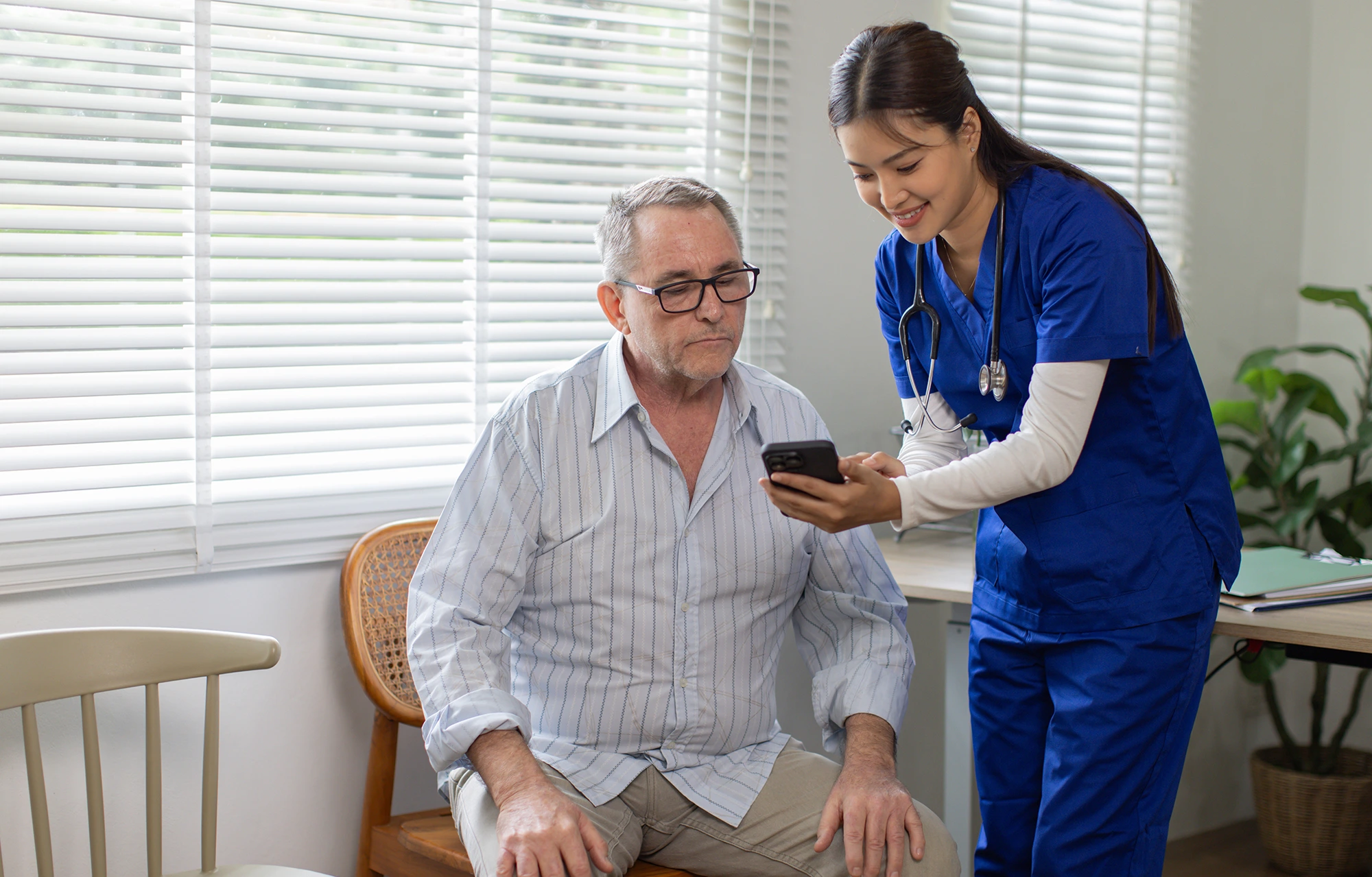
Recovering from a traumatic brain injury (TBI) often involves more than physical healing. Many individuals experience changes in memory, attention, concentration, and problem-solving abilities that can affect their daily lives. These cognitive challenges may make it difficult to return to work, manage responsibilities, or participate in everyday activities.
TBI cognitive rehabilitation is an important part of the recovery process, helping individuals strengthen cognitive skills and develop strategies to manage challenges following a brain injury.
Understanding how cognitive rehabilitation works can help individuals with TBI and their families make informed decisions about rehabilitation and long-term support.
What Is Cognitive Rehabilitation After a TBI?
Cognitive rehabilitation is a therapeutic approach designed to address difficulties with thinking, learning, memory, attention, and other cognitive functions following a brain injury.
Traumatic brain injuries can disrupt the brain’s ability to process information, organize thoughts, and complete tasks efficiently. These changes may range from mild difficulties to significant cognitive impairments, depending on the location and severity of the injury.
Cognitive rehabilitation focuses on two primary approaches:
- Restorative strategies: Structured exercises and activities that aim to improve specific cognitive abilities through repeated practice.
- Compensatory strategies: Techniques and tools that help individuals manage cognitive difficulties and function more independently.
Rehabilitation programs are typically personalized according to the individual’s symptoms, abilities, and recovery goals.
To better understand traumatic brain injuries and their effects, explore TBI’s General Information resources.
Common Cognitive Challenges After a Brain Injury
Cognitive changes following a TBI can affect multiple aspects of everyday functioning.
Memory Difficulties
Individuals may struggle to remember recent conversations, appointments, instructions, or important information.
Attention and Concentration Problems
Maintaining focus, completing tasks, or concentrating in distracting environments may become more challenging.
Executive Function Difficulties
Executive functions include planning, organizing, decision-making, and problem-solving. Changes in these abilities may affect independence and productivity.
Slower Information Processing
Some individuals need additional time to understand information, respond to questions, or complete complex tasks.
Communication Challenges
A TBI may affect word retrieval, conversation skills, and the ability to organize thoughts clearly.
Recognizing these difficulties is an important step toward developing an effective rehabilitation plan.
How TBI Cognitive Rehabilitation Supports Recovery
Cognitive rehabilitation uses targeted exercises, practical activities, and adaptive strategies to help individuals manage cognitive challenges.
1. Improving Memory and Recall
Memory difficulties are common after traumatic brain injuries.
Rehabilitation professionals may introduce activities such as:
- Practicing information recall exercises
- Using calendars, planners, and reminder applications
- Creating structured daily routines
- Repeating important information
- Organizing tasks with written instructions
These strategies can help individuals remember important information and manage everyday responsibilities.
2. Strengthening Attention and Concentration
Difficulty maintaining attention can interfere with work, learning, and daily activities.
Cognitive rehabilitation may include:
- Completing focused attention exercises
- Practicing tasks in environments with controlled distractions
- Breaking complex activities into smaller steps
- Gradually increasing task difficulty
- Scheduling regular rest periods
These techniques help individuals develop strategies for maintaining focus while managing cognitive fatigue.
3. Developing Problem-Solving Skills
Brain injuries can affect the ability to evaluate situations, make decisions, and solve problems.
TBI cognitive rehabilitation may involve real-life scenarios that encourage individuals to identify problems, consider solutions, and evaluate possible outcomes.
For example, therapists may guide individuals through planning a grocery shopping trip, organizing a weekly schedule, or managing household responsibilities.
These practical exercises support the development of functional problem-solving skills.
4. Supporting Executive Function Skills
Executive functions are essential for organizing activities, managing time, and completing tasks.
Rehabilitation activities may include:
- Creating daily schedules and checklists
- Prioritizing responsibilities
- Practicing time-management techniques
- Organizing multistep activities
- Monitoring progress toward personal goals
Improving these skills can help individuals become more confident and independent in everyday situations.
5. Building Strategies for Daily Independence
Cognitive rehabilitation is not limited to exercises performed during therapy sessions.
Healthcare professionals also help individuals apply learned strategies to everyday situations, including managing appointments, preparing meals, returning to school, or performing job-related tasks.
The goal is to make cognitive improvements and compensatory strategies meaningful in daily life.
Explore additional rehabilitation guidance through TBI’s Care & Support resources.
What to Expect During Cognitive Rehabilitation Sessions
Cognitive rehabilitation generally begins with an assessment conducted by qualified healthcare professionals.
The evaluation may examine memory, attention, communication, processing speed, executive functioning, and the individual’s ability to complete everyday tasks.
Based on the findings, a personalized treatment plan may be developed.
Sessions can involve structured cognitive exercises, functional activities, strategy training, and discussions about progress.
Treatment may be provided by professionals such as speech-language pathologists, occupational therapists, neuropsychologists, or other rehabilitation specialists.
The frequency and duration of therapy depend on individual needs, symptoms, and rehabilitation goals.
For more information about treatment approaches, visit TBI’s Health Information section.
How Long Does Cognitive Rehabilitation Take?
Recovery timelines vary significantly among individuals with traumatic brain injuries.
Some people experience improvements over weeks or months, while others require longer-term rehabilitation and support.
Factors that may influence progress include:
- Severity and location of the brain injury
- Age and overall health
- Presence of additional medical conditions
- Access to rehabilitation services
- Individual rehabilitation goals
Progress may occur gradually, and some cognitive difficulties can persist despite treatment.
Regular evaluations help healthcare professionals adjust treatment plans according to changing needs.
How Families and Caregivers Can Help
Family members and caregivers can support cognitive rehabilitation by encouraging consistent routines and helping individuals practice recommended strategies.
Providing written reminders, reducing unnecessary distractions, allowing extra time for tasks, and supporting appropriate independence can make everyday activities more manageable.
Caregivers should also communicate with rehabilitation professionals to understand realistic goals and appropriate support techniques.
Learn more about brain injury education through TBI’s Awareness resources and explore practical injury prevention strategies in our Safety & Prevention section.
Moving Forward With Cognitive Rehabilitation
TBI cognitive rehabilitation can play a valuable role in helping individuals manage changes in memory, attention, reasoning, and everyday functioning after a traumatic brain injury.
While recovery differs for everyone, personalized rehabilitation and consistent support can help individuals work toward meaningful improvements in independence and quality of life.
At TBI, we provide educational resources to help individuals and families understand brain injuries, recovery strategies, and available support options.
You can also explore our Legal Information resources to learn about rights and considerations following a brain injury.
Looking for more information about brain injury recovery? Contact TBI to explore educational resources and guidance for individuals and families navigating life after a traumatic brain injury.