

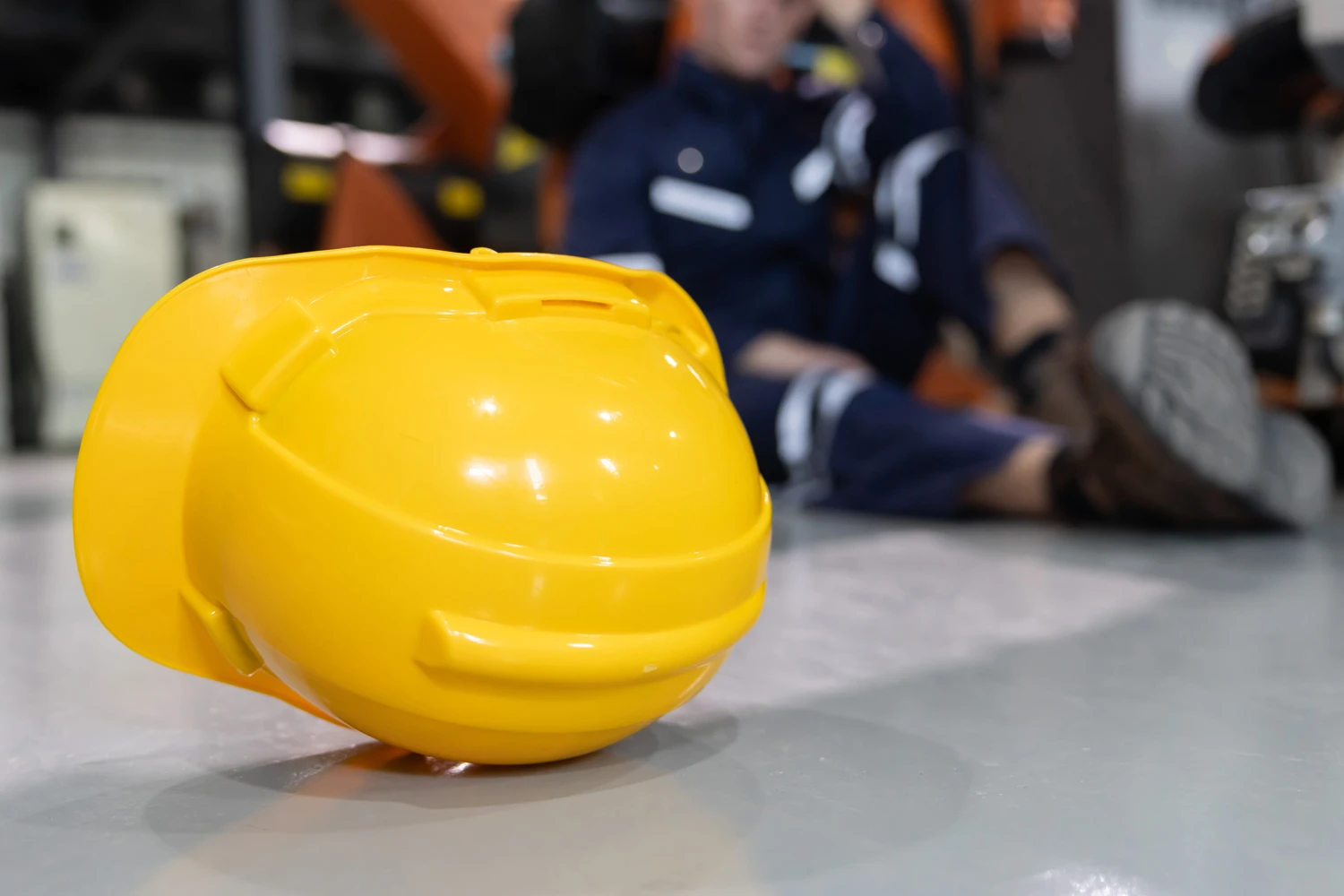
Construction sites involve heavy equipment, elevated work areas, falling objects, moving machinery, and other hazards that can increase the risk of head injuries. A serious impact can result in a concussion, traumatic brain injury (TBI), skull fracture, or other complications.
Effective construction site head injury prevention requires more than simply wearing a hard hat. Employers, supervisors, and workers can work together to identify hazards, follow established safety procedures, and create a workplace culture where protecting workers is a priority.
Why Head Injury Prevention Matters on Construction Sites
Construction workers may encounter situations where objects fall from above, equipment moves unexpectedly, or a worker slips and falls. Even a seemingly minor incident can cause significant head trauma.
Common construction-related situations that may lead to head injuries include:
- Falling tools or materials
- Slips, trips, and falls
- Falls from ladders or elevated surfaces
- Contact with heavy machinery
- Collisions with equipment or structures
- Electrical hazards
- Improperly secured materials
Reducing these risks starts with identifying potential hazards before work begins.
Wear Appropriate Head Protection
One of the most important components of construction site head injury prevention is using appropriate head protection.
Workers should use protective helmets or hard hats that are appropriate for the hazards present at the job site. Protective equipment should fit securely and be properly cared for in accordance with the manufacturer’s guidelines.
Workers should also inspect their head protection regularly for signs of damage, deterioration, or other issues that could affect its performance.
However, protective equipment should be viewed as one part of a broader safety program rather than the only method of preventing injury.
Identify and Control Falling Object Hazards
Objects falling from elevated areas can cause serious head injuries. Construction sites should have procedures for safely storing, lifting, transporting, and securing tools and materials.
Helpful practices include:
- Keeping materials properly secured
- Avoiding unnecessary items near edges
- Using appropriate barriers where needed
- Maintaining organized work areas
- Restricting access to areas where overhead work is occurring
Workers should remain aware of activities taking place above and around them.
Reduce Slip, Trip, and Fall Risks
Falls are another major source of construction-related head injuries. Uneven surfaces, loose materials, wet floors, cables, and clutter can create dangerous conditions.
Employers and workers can help reduce these risks by:
- Keeping walkways clear
- Cleaning spills promptly
- Managing cords and cables properly
- Maintaining adequate lighting
- Using appropriate fall protection
- Reporting hazardous conditions quickly
Good housekeeping is an important part of maintaining a safer work environment.
Follow Ladder and Elevated Work Safety Practices
Working at height can increase the risk of serious injury. Workers should use ladders, scaffolds, lifts, and other elevated work equipment according to established safety procedures.
Before using equipment, workers should ensure it is appropriate for the task and in safe working condition. Fall protection should also be used when required.
Stay Aware Around Heavy Equipment
Construction equipment can create additional risks when workers are operating or working near cranes, forklifts, excavators, and other machinery.
Workers should:
- Maintain awareness of moving equipment
- Stay within designated pedestrian areas
- Follow site communication procedures
- Avoid entering restricted areas
- Make eye contact with equipment operators when appropriate
- Follow established traffic and equipment safety rules
Clear communication between workers and equipment operators can help reduce collisions and other accidents.
Provide Regular Safety Training
Safety training is an essential part of preventing construction-related injuries. Workers should understand the hazards associated with their specific jobs and know how to use protective equipment correctly.
Training can address:
- Head protection
- Fall prevention
- Hazard identification
- Equipment safety
- Emergency procedures
- Safe lifting and material handling
- Reporting workplace hazards
Regular refresher training can also help reinforce safe practices.
Maintain a Clean and Organized Job Site
An organized construction site can make hazards easier to identify and reduce unnecessary risks. Tools, materials, and equipment should be stored appropriately when they are not being used.
Keeping work areas organized can help workers move safely through the site and reduce the likelihood of trips, falls, and unexpected impacts.
What to Do After a Head Injury
Even with strong safety measures in place, accidents can still happen. A worker who experiences a significant impact to the head should report the incident and seek appropriate medical evaluation.
Potential signs of a concussion or TBI may include:
- Headache
- Dizziness
- Nausea
- Confusion
- Memory problems
- Blurred vision
- Difficulty concentrating
- Unusual fatigue
- Changes in mood or behavior
Symptoms may not always appear immediately, so workers should pay attention to changes following an accident.
Creating a Strong Safety Culture
Effective construction site head injury prevention depends on everyone taking responsibility for workplace safety. Employers can provide proper training and equipment, supervisors can enforce safety procedures, and workers can report hazards and follow established protocols.
A strong safety culture encourages employees to prioritize their well-being and the safety of their coworkers rather than taking unnecessary risks to complete a task quickly.
Final Thoughts
Construction sites present numerous hazards that can contribute to serious head injuries. However, proper planning, protective equipment, hazard awareness, training, and safe work practices can help reduce these risks.
By making construction site head injury prevention part of everyday workplace operations, construction companies and workers can create safer environments and help protect employees from preventable injuries.
Disclaimer: This article is intended for educational purposes only and should not replace professional medical, legal, or workplace safety advice. Employers and workers should follow applicable workplace safety regulations and consult qualified professionals regarding site-specific safety requirements.