

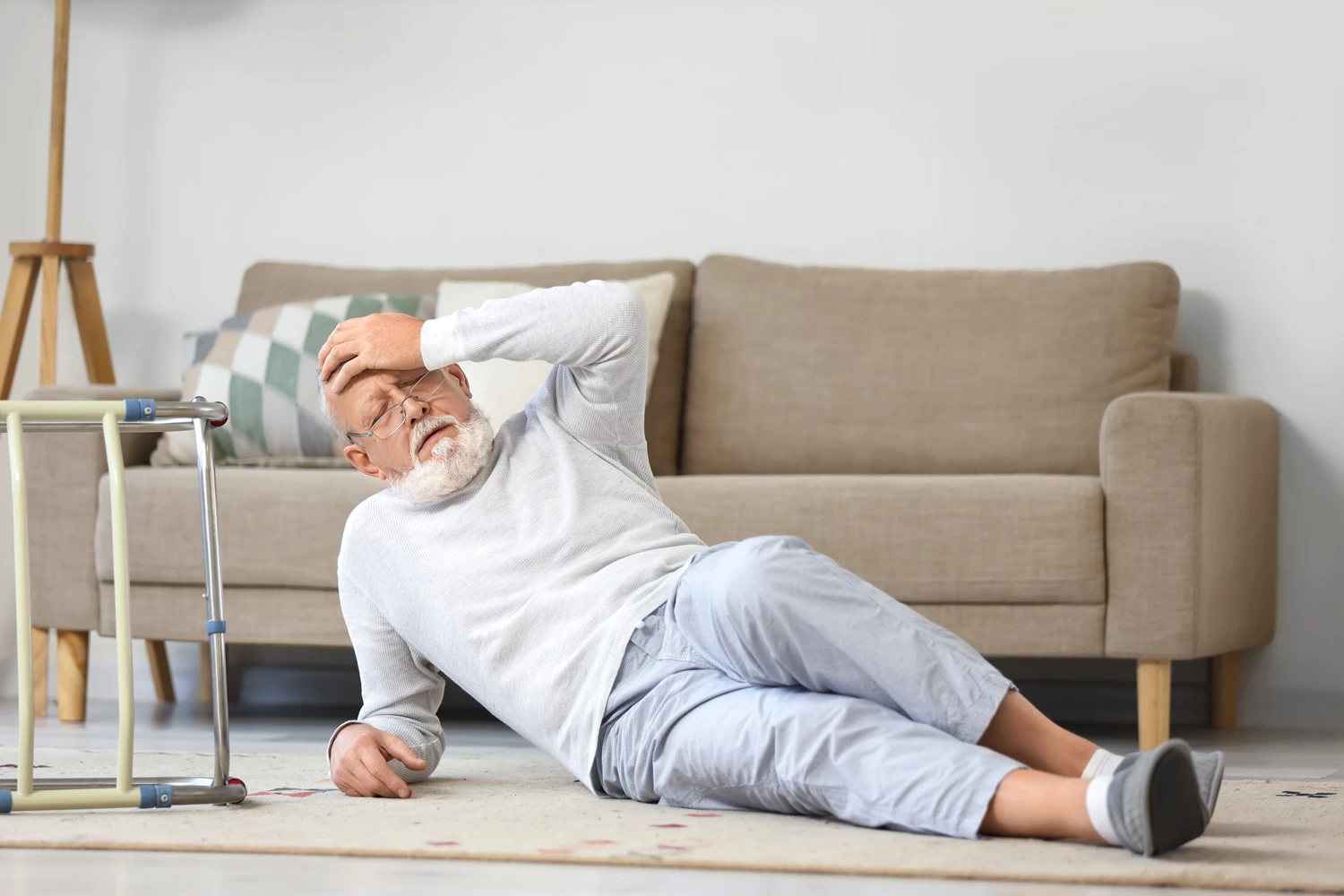
Falls are one of the most common causes of traumatic brain injuries (TBIs), and older adults can face a greater risk of serious complications after a fall. Changes in balance, vision, muscle strength, and reaction time can make falls more likely as people age. Certain medications and health conditions may also increase the likelihood of falling or experiencing complications after an injury.
Understanding why older adults are particularly vulnerable to head injury in elderly falls can help families, caregivers, and communities take steps to reduce risks and recognize warning signs early.
Why Falls Become More Dangerous With Age
A fall that may cause only minor injuries in a younger person can result in a serious head injury in an older adult. Several age-related changes can contribute to this increased risk.
Changes in Balance and Coordination
Balance can become more difficult with age. Changes in the muscles, joints, inner ear, and nervous system may affect stability and make it harder to recover from a stumble.
Reduced coordination can also increase the likelihood of falling on stairs, uneven surfaces, or slippery floors.
Reduced Muscle Strength
Muscle strength and flexibility can decline with age, particularly when physical activity is limited. Weaker leg and core muscles can make it harder to maintain balance or stop a fall once it begins.
Vision Changes
Changes in eyesight can make it harder to identify obstacles, changes in flooring, or other potential hazards. Poor depth perception and reduced ability to see in low-light conditions can further increase fall risk.
Slower Reaction Times
The ability to quickly respond to a loss of balance may decrease with age. A slower reaction can make it more difficult to grab a railing, adjust footing, or prevent the head from striking the ground.
Why Older Adults May Experience More Serious Brain Injuries
Several factors can make a head injury particularly concerning for older adults.
Brain Changes Associated With Aging
As people age, natural changes in the brain can make it more vulnerable to certain types of trauma. A fall can cause the brain to move within the skull, potentially damaging blood vessels or brain tissue.
Blood-Thinning Medications
Some older adults take medications that reduce blood clotting. These medications can increase the risk of serious bleeding after a head injury.
This is one reason it is important to seek medical advice after a significant fall, even when an injury initially appears minor.
Symptoms May Be Delayed
Some complications following a head injury may not become obvious immediately. An older adult may seem fine shortly after a fall but develop symptoms later.
For this reason, family members and caregivers should pay attention to changes in behavior, alertness, coordination, or overall functioning following a fall.
Common Signs of a Head Injury After a Fall
A head injury may cause a variety of symptoms. Some can appear immediately, while others may develop later.
Watch for:
- Headache or increasing head pain
- Dizziness or balance problems
- Nausea or vomiting
- Confusion or unusual behavior
- Memory difficulties
- Unusual sleepiness
- Blurred or double vision
- Difficulty speaking
- Weakness or numbness
- Loss of consciousness
- Seizures
A significant change from an older adult’s normal behavior or abilities should be taken seriously.
When Should an Older Adult Be Evaluated?
After a fall involving a head impact, it is important to contact a healthcare professional for guidance. Prompt medical evaluation is especially important when symptoms are severe, worsening, or unusual for the individual.
Emergency medical attention may be necessary if an older adult experiences symptoms such as repeated vomiting, seizures, loss of consciousness, worsening headache, significant confusion, difficulty waking, or new weakness or numbness.
When in doubt, it is safer to seek professional medical guidance rather than assuming an injury is minor.
How to Reduce Fall and Brain Injury Risks
Preventing falls is an important part of protecting older adults from TBIs.
Make the Home Safer
Families and caregivers can reduce hazards by:
- Removing loose rugs and clutter
- Improving lighting throughout the home
- Installing handrails on stairs
- Adding grab bars in bathrooms
- Keeping frequently used items within easy reach
- Maintaining clear pathways between rooms
Encourage Appropriate Physical Activity
Exercises that focus on strength, flexibility, balance, and coordination may help older adults maintain physical function. A healthcare or rehabilitation professional can recommend activities appropriate for an individual’s abilities.
Review Medications With a Healthcare Provider
Some medications can cause dizziness, drowsiness, or changes in blood pressure. Regular medication reviews can help identify potential factors that may contribute to falls.
Address Vision and Hearing Changes
Routine vision and hearing evaluations can help identify problems that may affect balance, mobility, and awareness of surroundings.
The Importance of Caregiver Awareness
Caregivers and family members can play an important role in preventing falls and recognizing possible signs of injury. Knowing an older adult’s normal behavior and abilities can make it easier to notice subtle changes after a fall.
Keeping track of symptoms and communicating concerns to healthcare providers can also help support appropriate evaluation and treatment.
What Recovery May Look Like
Recovery from a brain injury varies depending on the type and severity of the injury, the individual’s overall health, and other factors. Some older adults recover relatively quickly, while others may require rehabilitation and ongoing support.
Rehabilitation may involve physical therapy, occupational therapy, speech therapy, or other specialized services depending on the individual’s needs.
A healthcare team can develop a recovery plan focused on improving mobility, balance, cognitive function, and independence.
Final Thoughts
Head injury in elderly falls can have serious consequences, but many falls and related injuries can be prevented through appropriate safety measures and awareness. Recognizing risk factors, making living environments safer, and responding quickly to concerning symptoms can help protect older adults.
If an older adult experiences a fall and may have sustained a head injury, consulting a qualified healthcare professional is an important step toward ensuring appropriate care.
Disclaimer: This article is intended for educational purposes only and should not replace professional medical advice, diagnosis, or treatment. If an older adult experiences a head injury or develops concerning symptoms after a fall, seek appropriate medical attention.