

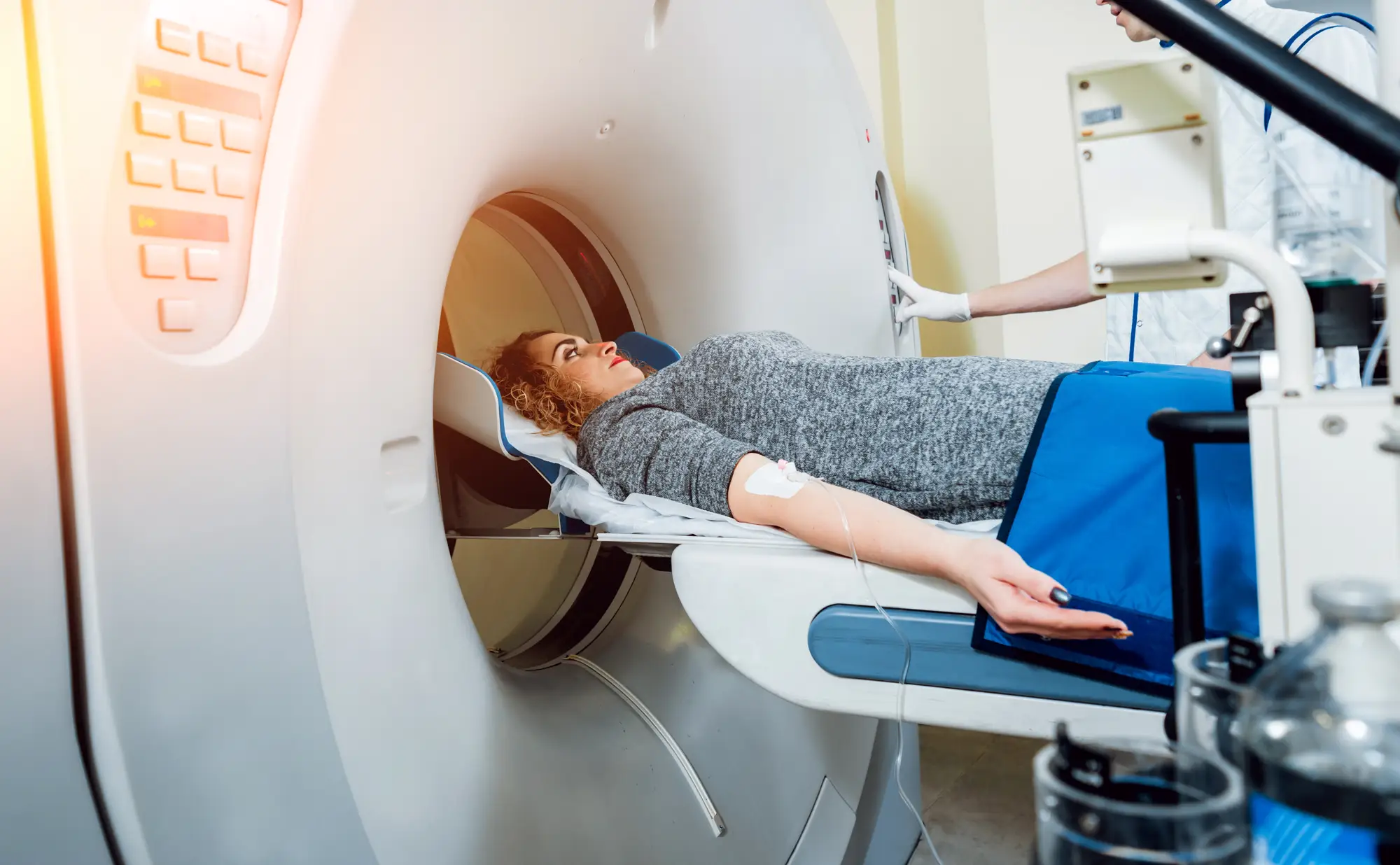
Traumatic brain injuries (TBIs) remain a major public health concern worldwide, affecting millions of individuals each year. Advances in medical technology are helping researchers and engineers develop innovative devices designed to reduce the severity of head injuries and improve protection during high-risk activities.
These emerging technologies aim to detect, prevent, and lessen the impact forces that can lead to brain trauma. From advanced protective gear to smart monitoring systems, new medical devices are reshaping how injuries are prevented and managed.
Why Reducing Brain Injury Impact Matters
When the head experiences a strong blow or sudden movement, the brain can shift inside the skull, potentially causing bruising, swelling, or disruption of normal brain function. Even mild impacts can sometimes lead to concussions or longer-term neurological effects.
Reducing the force transferred to the brain during an impact is one of the most effective ways to minimize injury risk. Modern medical devices focus on absorbing shock, redistributing force, and monitoring head movement to improve overall safety.
Advanced Protective Helmets
One of the most widely researched areas in brain injury prevention is the development of next-generation helmets. These helmets incorporate new materials and engineering techniques designed to better absorb and redirect impact forces.
Some advanced helmet features include:
- Multi-layer shock absorption systems
- Rotational impact protection technology
- Lightweight composite materials that disperse force
- Improved ventilation and comfort for long-term use
These helmets are increasingly used in sports such as football, hockey, and cycling, as well as in construction and military environments where head injuries are more likely to occur.
Smart Mouthguards and Head Sensors
Another emerging innovation involves smart mouthguards and wearable sensors that track head impacts during physical activity. These devices measure acceleration, force, and direction of impacts in real time.
When a significant impact occurs, the device can transmit data to coaches, trainers, or medical staff. This information helps professionals quickly identify potential concussions and determine whether an athlete should undergo further medical evaluation.
Over time, the data collected by these sensors may also help researchers understand patterns of repeated head impacts and improve injury prevention strategies.
Inflatable Airbag Protection Systems
Some researchers are developing airbag-style protection systems designed to deploy during accidents. These devices are typically worn around the neck or integrated into protective gear.
If the system detects sudden motion or a fall, it inflates instantly to protect the head and neck from direct impact. Similar technologies are already used in certain cycling safety products and are being studied for broader injury prevention applications.
Brain Monitoring Devices
In addition to protective gear, scientists are also working on portable brain monitoring devices that help identify early signs of neurological stress after a head injury.
These devices may include:
- Portable EEG systems that monitor brain activity
- Eye-tracking tools that detect neurological abnormalities
- Balance and coordination testing devices
Such technologies can assist healthcare providers in assessing potential brain injuries quickly, especially in emergency or sports settings.
Technology in Workplace Safety
High-risk industries such as construction, mining, and manufacturing are also adopting new medical devices to protect workers from head injuries. Smart helmets equipped with sensors can monitor worker movement, detect falls, and send alerts when dangerous conditions occur.
These systems improve workplace safety by allowing supervisors to respond quickly when an accident or potential injury is detected.
Future Innovations in Brain Injury Protection
The field of brain injury prevention continues to evolve rapidly. Researchers are exploring new technologies that may further reduce the risk and severity of TBIs, including:
- AI-powered impact monitoring systems
- Advanced materials designed to absorb rotational forces
- Real-time injury detection software integrated with wearable devices
- Personalized protective equipment tailored to individual risk profiles
As these technologies continue to develop, they may significantly improve safety for athletes, workers, military personnel, and individuals involved in high-impact activities.
Final Thoughts
Emerging medical devices are transforming the way brain injuries are prevented, detected, and monitored. By combining advanced materials, wearable technology, and real-time data analysis, these innovations aim to reduce the severity of head impacts and improve overall safety.
Although no device can completely eliminate the risk of traumatic brain injuries, ongoing technological advancements offer promising opportunities to protect individuals and support better outcomes following head trauma.