

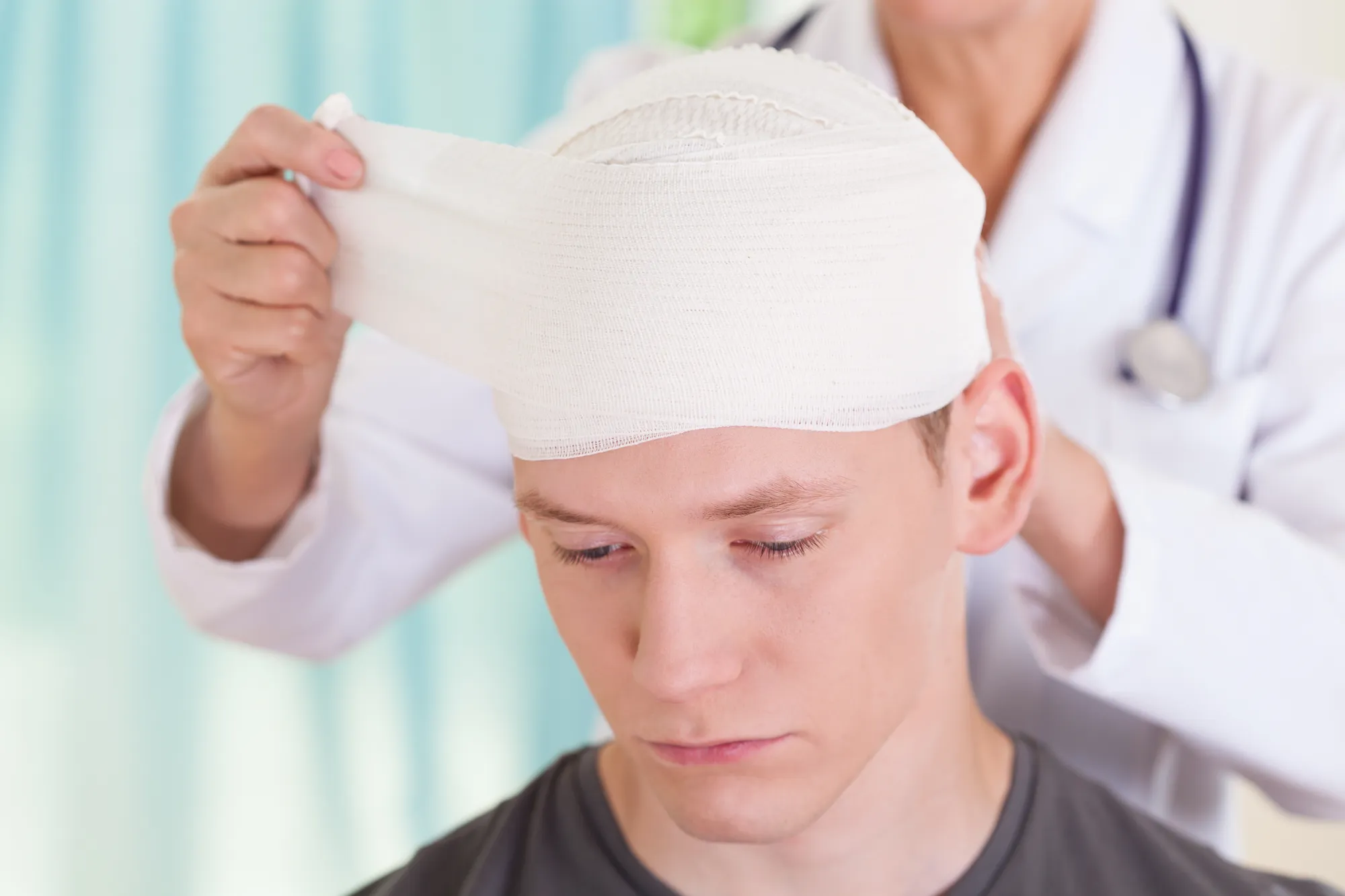
Advancements in technology are transforming how traumatic brain injuries (TBIs) and concussions are detected. One of the most promising innovations is the use of wearable sensors, small devices designed to monitor head impacts and movement during physical activity. These tools are becoming increasingly common in sports, military training, and medical research, helping professionals identify potential brain injuries more quickly and accurately.
By collecting real-time data during impacts, wearable sensors provide valuable insights that may improve early detection, enhance safety protocols, and support better long-term outcomes for individuals at risk of concussion.
What Are Wearable Sensors?
Wearable sensors are compact electronic devices designed to track motion, force, and acceleration. When used for concussion monitoring, these sensors are typically embedded in equipment such as helmets, headbands, mouthguards, or patches placed on the body.
These devices measure various factors during a head impact, including:
- Linear acceleration of the head
- Rotational movement of the brain
- Impact force and direction
- Frequency of repeated hits
The data collected can be transmitted to computers or mobile applications, allowing coaches, trainers, and medical professionals to review the information immediately.
Why Concussion Detection Is Challenging
Concussions can be difficult to diagnose because symptoms are not always immediately obvious. Some individuals may continue playing or performing activities despite experiencing a brain injury. In many cases, symptoms such as dizziness, confusion, or headaches may develop hours later.
Traditional concussion detection often relies on:
- Self-reported symptoms
- Visual observation by coaches or trainers
- Sideline cognitive assessments
While these methods remain important, they may not always capture the full picture of what occurs during a head impact. Wearable sensors help fill this gap by providing objective data about the force and mechanics of an impact.
How Wearable Technology Improves Concussion Monitoring
Wearable concussion sensors provide several advantages in identifying potential brain injuries.
Real-Time Impact Data
One of the most valuable features of wearable technology is the ability to record head impacts as they occur. If an athlete experiences a particularly strong impact, trainers or medical staff can be alerted immediately and remove the individual from play for further evaluation.
Tracking Repeated Impacts
Research shows that repeated head impacts—even those that do not cause immediate symptoms—may contribute to long-term brain health concerns. Wearable sensors help track cumulative impacts over time, providing a clearer picture of exposure.
Supporting Medical Evaluations
The data gathered by sensors can assist healthcare professionals when assessing possible TBIs. Information about the magnitude and direction of an impact can help doctors determine whether additional imaging or neurological evaluation is necessary.
Use of Wearable Sensors in Youth and Professional Sports
Sports organizations at both the youth and professional levels are increasingly experimenting with wearable concussion technology. Football, hockey, soccer, and rugby programs have tested sensor-equipped helmets and mouthguards to monitor player safety.
In youth sports, wearable sensors can help coaches and parents better understand how often players experience head impacts. This information may guide improvements in training methods, safety rules, and protective equipment.
Professional leagues and collegiate programs also use sensor data in research studies aimed at reducing injury risk and improving athlete safety standards.
Applications Beyond Sports
Although sports are the most visible setting for wearable concussion technology, these devices also have other important applications.
Researchers are studying wearable sensors in:
- Military training environments, where blast exposure and head impacts can occur
- Construction and industrial workplaces, where falls and equipment accidents may lead to head injuries
- Medical rehabilitation programs, where monitoring movement and balance can help track recovery progress
As the technology continues to develop, wearable sensors may become valuable tools across many high-risk environments.
Limitations and Ongoing Research
Despite their potential, wearable sensors are not designed to diagnose concussions on their own. A strong head impact does not always result in a brain injury, and some concussions may occur without a large recorded impact.
For this reason, wearable technology should be used alongside medical evaluations and established concussion protocols rather than replacing them. Researchers are continuing to refine sensor accuracy and develop better algorithms to interpret impact data.
The Future of Concussion Detection
As wearable technology becomes more advanced, researchers hope to improve both the accuracy and accessibility of concussion monitoring. Future developments may include:
- More precise sensors capable of detecting subtle brain movement
- Integration with smartphone health applications
- AI analysis of impact patterns and injury risk
- Expanded use in schools, sports leagues, and workplaces
These innovations could play an important role in protecting individuals who participate in activities where head impacts are possible.
Final Thoughts
Wearable sensors represent an exciting step forward in the effort to detect and prevent traumatic brain injuries. By providing real-time information about head impacts, these devices can help trainers, coaches, and medical professionals respond more quickly when a potential concussion occurs.
While wearable technology cannot replace professional medical evaluation, it offers valuable data that can improve awareness, enhance safety measures, and contribute to ongoing research in brain injury prevention.
