

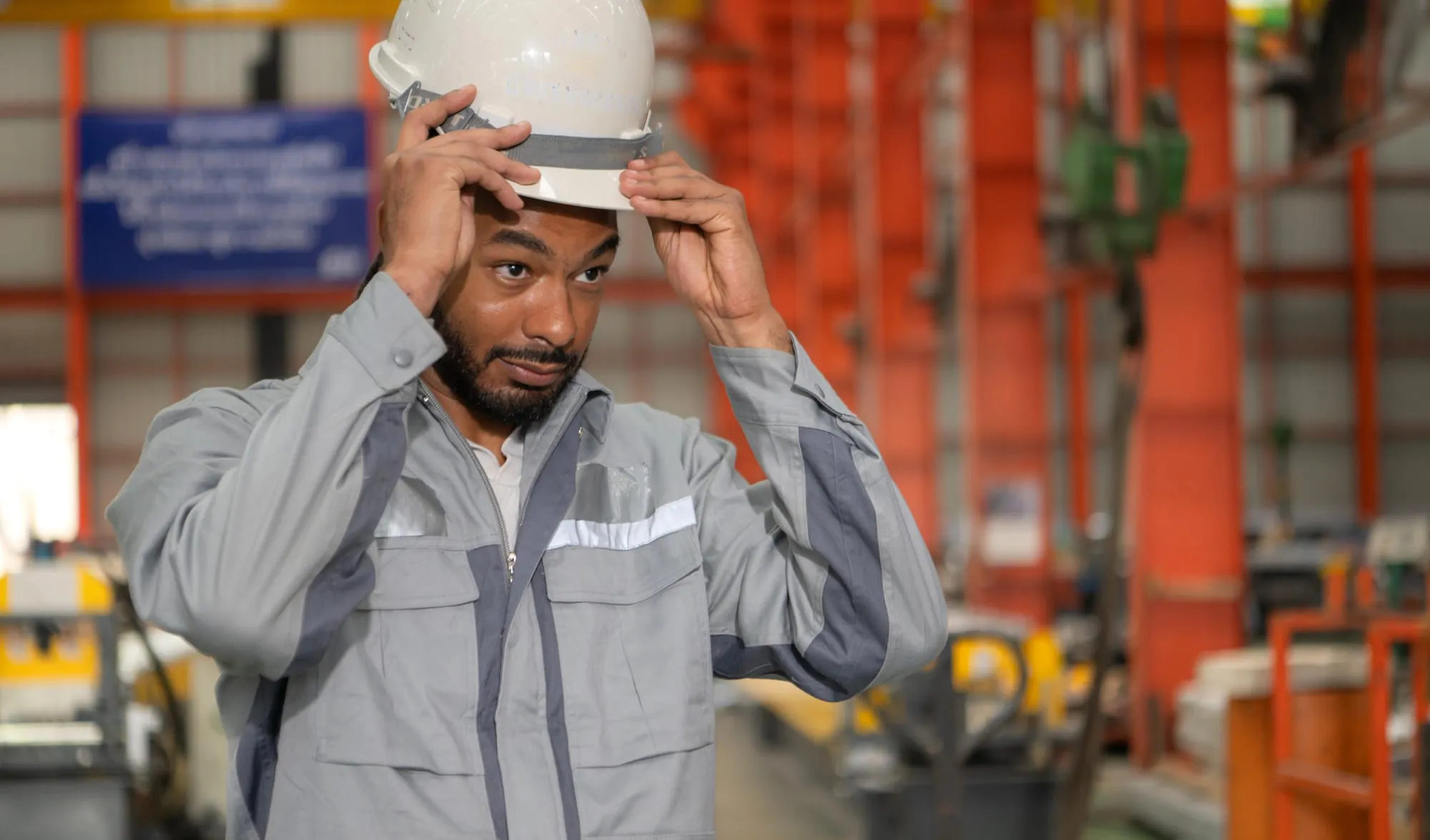
Head injuries in the workplace are more common than many people realize. From minor concussions to severe traumatic brain injuries (TBIs), these incidents can have lasting physical, cognitive, and emotional effects. Understanding the most common workplace hazards that lead to head injuries is a critical step toward prevention and long-term safety.
Slips, Trips, and Falls
Falls are one of the leading causes of workplace head injuries across nearly every industry. Wet floors, uneven surfaces, loose cords, and cluttered walkways can easily cause workers to lose their balance and strike their head.
Common risk factors include:
- Poor lighting in stairwells or work areas
- Spills or slick surfaces
- Unsecured rugs, mats, or cables
- Lack of handrails on stairs or elevated platforms
Implementing proper housekeeping practices and addressing hazards promptly can significantly reduce fall-related injuries.
Falling Objects
In warehouses, construction sites, and manufacturing facilities, falling objects pose a serious threat to worker safety. Tools, equipment, and materials that are improperly stored or unsecured can fall from shelves, scaffolding, or overhead workspaces.
Wearing appropriate head protection and following material-handling guidelines are essential in environments where overhead hazards exist.
Equipment and Machinery Accidents
Heavy machinery, forklifts, conveyor systems, and other industrial equipment can cause severe head injuries if not used correctly. Workers may be struck by moving parts, caught between machinery, or injured due to improper training or malfunctioning equipment.
Regular equipment maintenance, clear safety protocols, and ongoing training help minimize these risks.
Vehicle-Related Incidents
Workplace head injuries can also occur during vehicle-related accidents. This includes delivery drivers, construction vehicles, forklifts, and employees traveling between job sites.
Common causes include:
- Failure to wear seat belts
- Distracted or fatigued driving
- Poorly maintained vehicles
- Inadequate traffic controls in work zones
Safe driving policies and vehicle inspections play a key role in preventing these injuries.
Struck-By and Collision Hazards
In fast-paced work environments, employees may be struck by moving equipment, carts, or other workers. Tight spaces, poor visibility, and lack of communication often contribute to these incidents.
Clear signage, designated walkways, and awareness training can reduce collision-related head injuries.
Why Awareness and Prevention Matter
Head injuries can lead to long-term complications, including memory problems, headaches, dizziness, and difficulty concentrating. In severe cases, TBIs may result in permanent disability or require ongoing medical care.
Employers and employees alike share responsibility for maintaining a safe workplace. Identifying hazards, wearing proper protective equipment, and following safety procedures can make a meaningful difference in preventing head injuries on the job.