

SEO Title
Physical Therapy for TBI: Powerful Ways It Restores Mobility and Function
Meta Description
Learn how physical therapy supports TBI recovery by improving mobility, balance, strength, and daily function. Discover benefits, techniques, and what to expect.
Physical Therapy for TBI: How It Helps Restore Mobility and Function
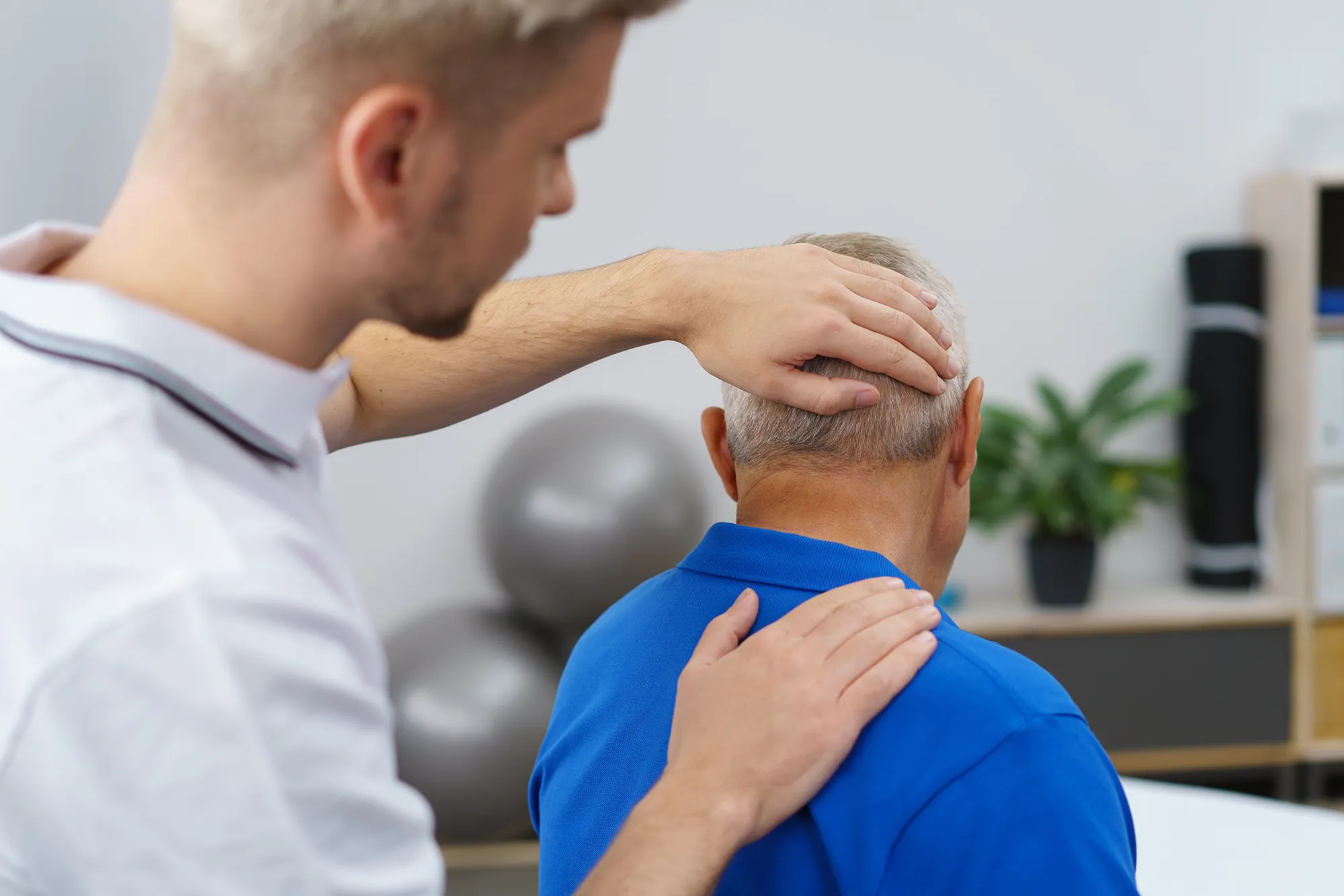
Traumatic brain injuries (TBIs) can affect far more than cognitive function. Many individuals experience physical challenges such as weakness, balance problems, coordination issues, and difficulty performing everyday movements. Physical therapy plays a critical role in TBI recovery by helping restore mobility, rebuild strength, and improve overall physical function.
This article explains how physical therapy supports individuals with TBI, what techniques are commonly used, and why consistent rehabilitation is essential for long-term recovery.
Why Physical Therapy Is Important After a TBI
A TBI can disrupt communication between the brain and muscles, leading to impaired movement and reduced physical independence. Physical therapy focuses on retraining the body and nervous system to work together more effectively.
Physical therapy for TBI aims to:
- Improve balance and coordination
- Restore muscle strength and endurance
- Increase flexibility and range of motion
- Reduce pain and muscle stiffness
- Promote safe and independent movement
Early and ongoing therapy can help prevent complications such as muscle atrophy, joint stiffness, and long-term mobility limitations.
Common Mobility Challenges After a TBI
Individuals recovering from a traumatic brain injury may experience a variety of physical symptoms, including:
- Difficulty walking or maintaining balance
- Muscle weakness or paralysis
- Poor coordination or slowed movements
- Fatigue during physical activity
- Problems with posture or body awareness
Physical therapists assess these challenges and design personalized treatment plans based on each person’s abilities, goals, and stage of recovery.
Key Physical Therapy Techniques Used in TBI Recovery
Gait and Balance Training
Therapists work on walking mechanics, posture, and balance to reduce fall risk and improve confidence during movement.
Strength and Endurance Exercises
Targeted exercises help rebuild muscle strength and improve stamina for daily activities such as standing, climbing stairs, or lifting objects.
Range of Motion and Flexibility Therapy
Stretching and joint mobility exercises prevent stiffness and improve overall movement quality.
Neuromuscular Re-education
This approach helps retrain the brain and muscles to communicate more effectively, improving coordination and control.
Functional Movement Training
Therapy often includes practicing real-life activities such as getting in and out of chairs, navigating uneven surfaces, or performing household tasks.
Benefits of Physical Therapy for Long-Term TBI Recovery
Consistent physical therapy can lead to meaningful improvements over time, including:
- Greater independence in daily life
- Reduced risk of falls and secondary injuries
- Improved confidence and quality of life
- Enhanced participation in work, family, and social activities
Recovery timelines vary, but continued therapy often supports progress even months or years after the initial injury.
The Role of Caregivers and Support Systems
Caregivers play an important role in encouraging consistency and safety during recovery. Physical therapists often provide education and guidance to help families support exercises, mobility strategies, and home modifications.
When to Seek Professional Guidance
Anyone experiencing ongoing mobility challenges after a head injury should consult a qualified medical professional. A licensed physical therapist can evaluate symptoms and recommend an appropriate rehabilitation plan tailored to individual needs.
Final Thoughts
Physical therapy is a cornerstone of traumatic brain injury recovery, helping individuals regain mobility, rebuild strength, and restore functional independence. While progress may take time, structured therapy and professional support can significantly improve outcomes and long-term quality of life.
This content is for informational purposes only and does not replace medical advice. Always consult a qualified healthcare provider for diagnosis and treatment recommendations related to TBI.